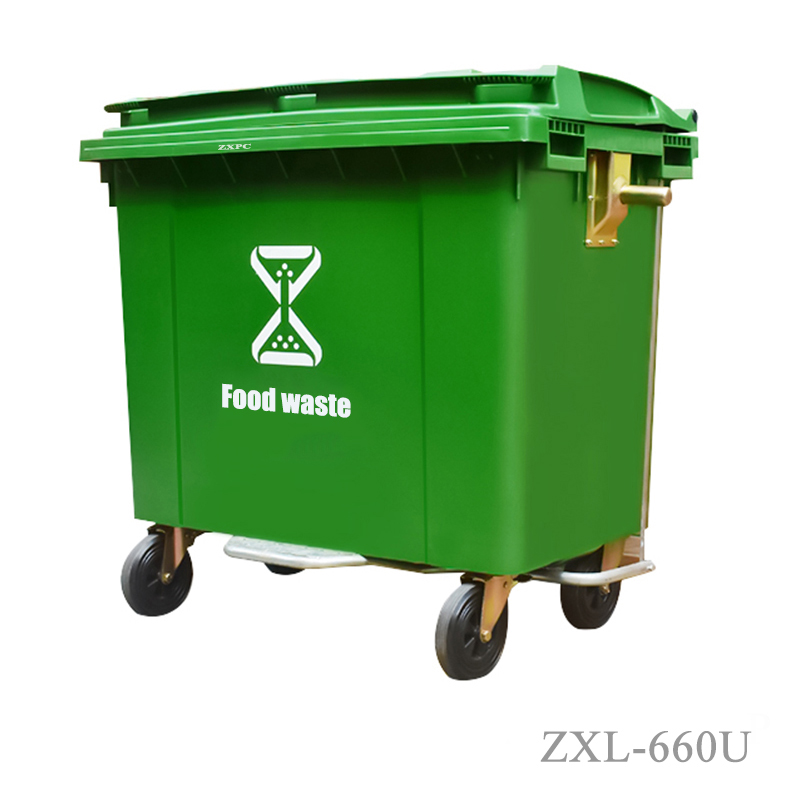
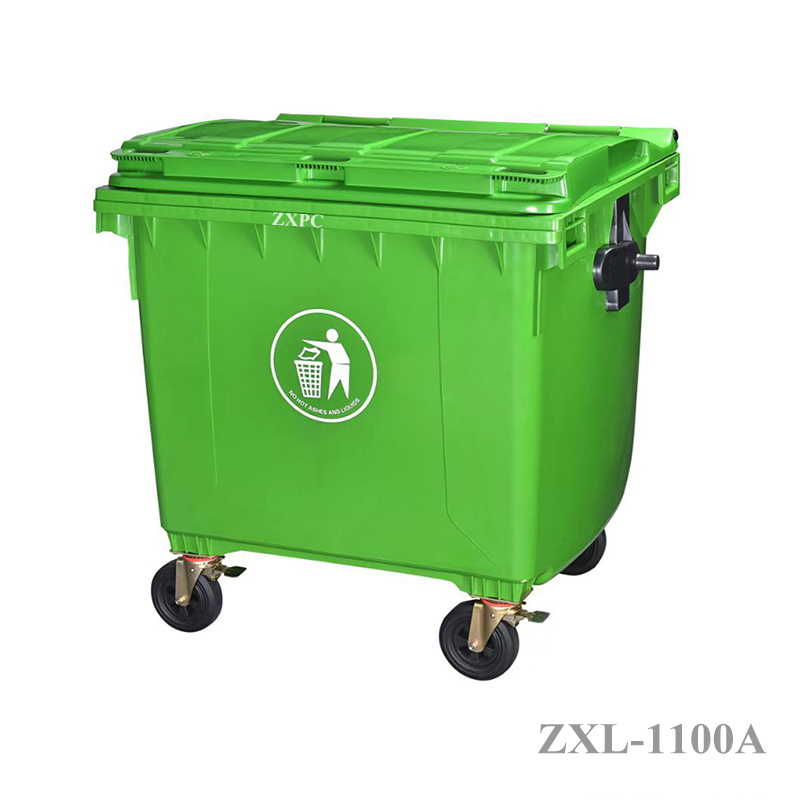
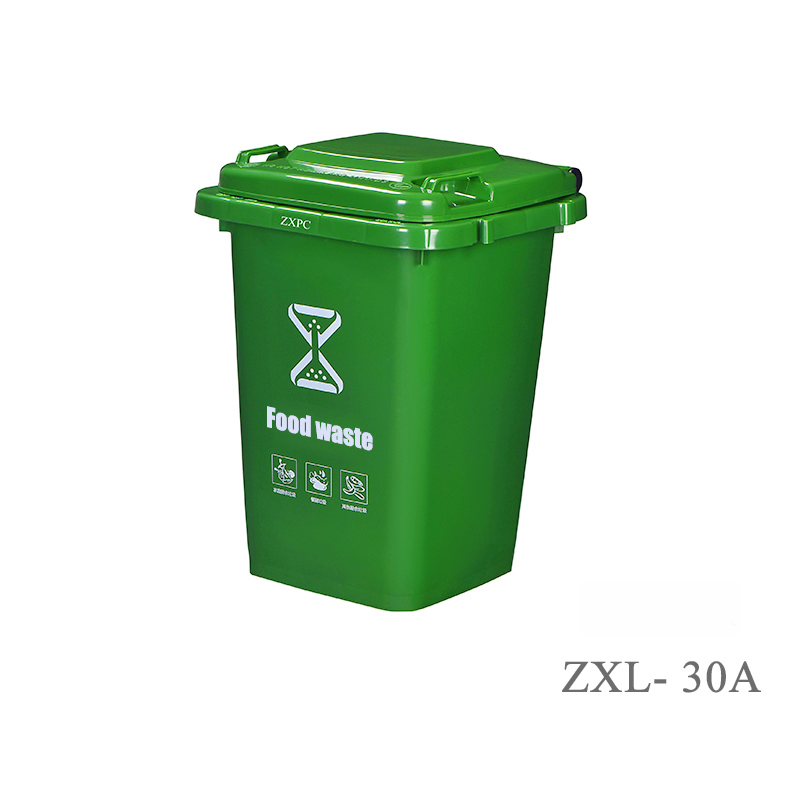
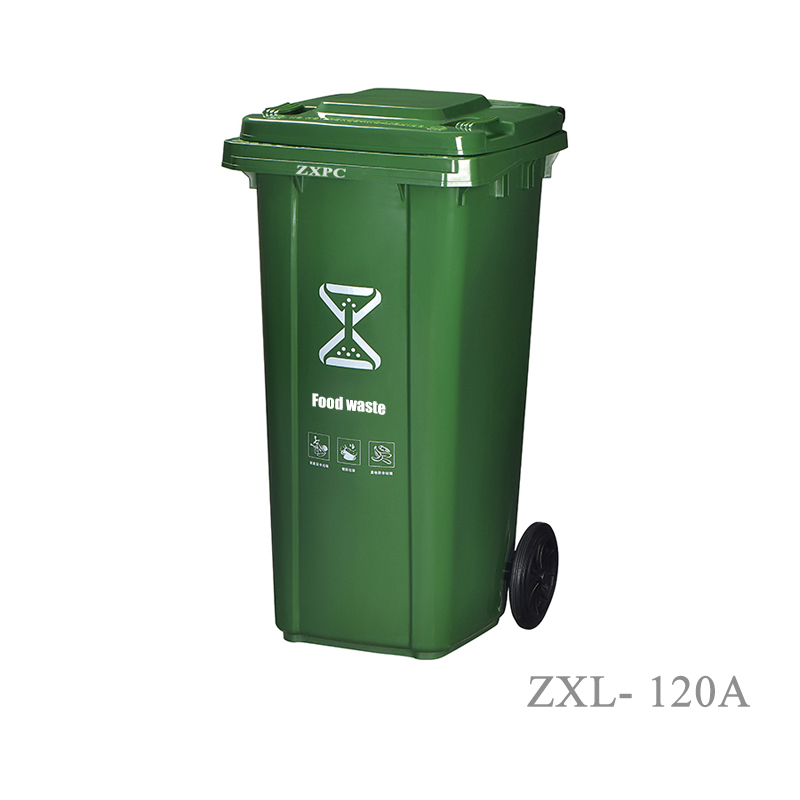
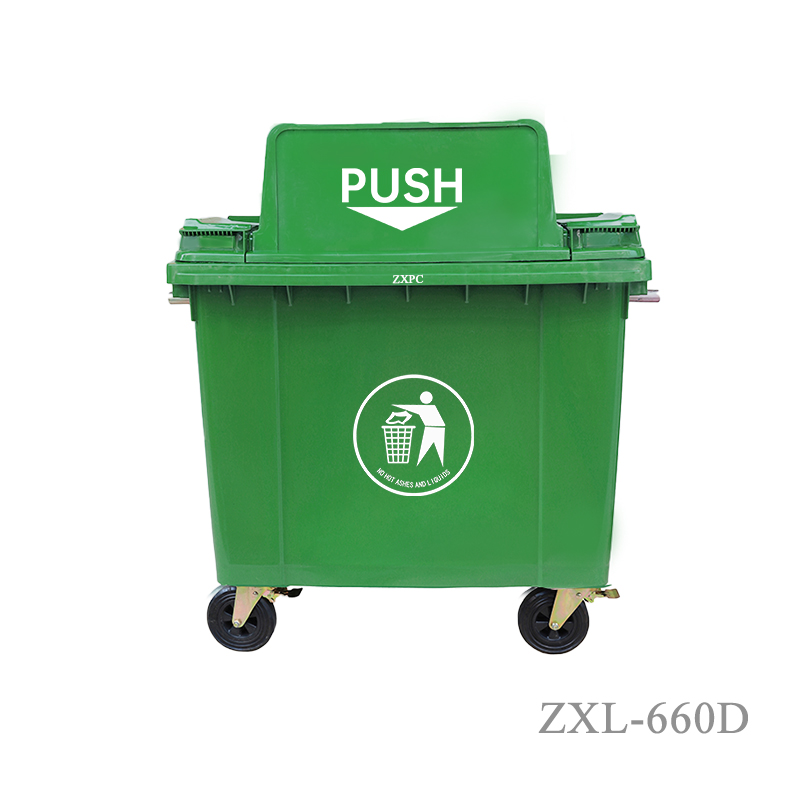
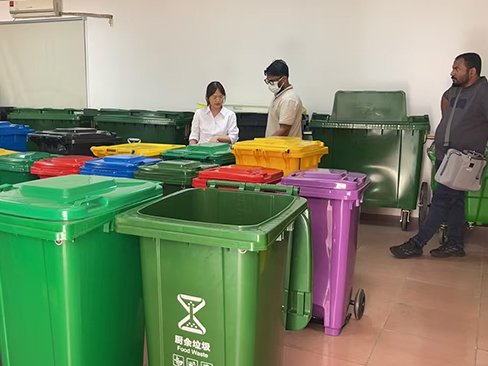
Choosing a Medical Waste Bin for hospitals is crucial for safety and compliance. Hospitals produce various types of medical waste every day. This waste can be hazardous if not managed correctly. Choosing the right medical waste bin helps ensure the safe disposal of these materials. Proper management protects both health care workers and patients. Let's explore the essential aspects of selecting a suitable medical waste bin.
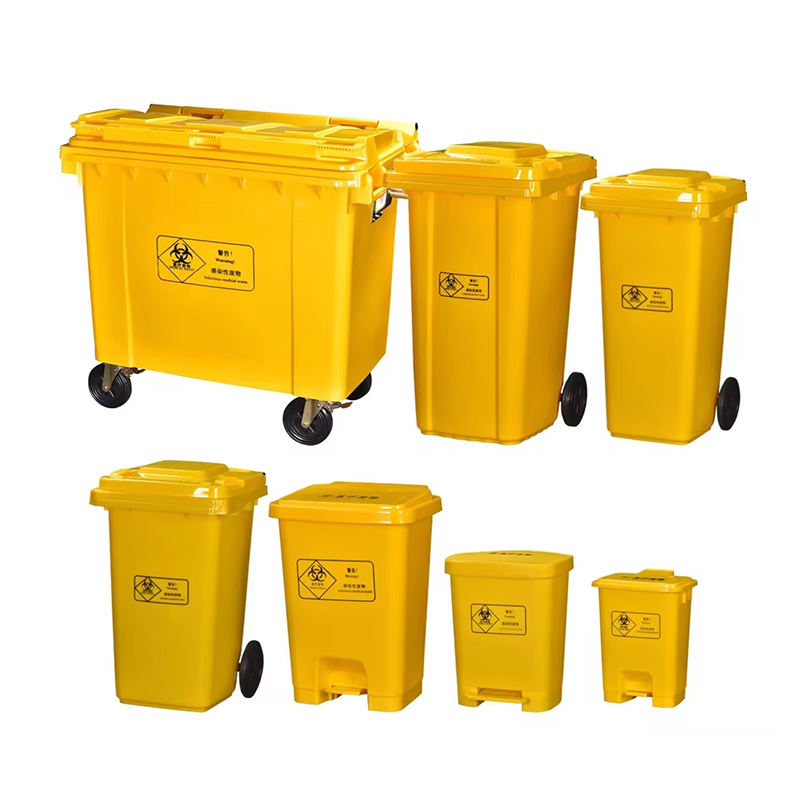
In summary, **selecting a medical waste bin involves understanding the types of waste produced, complying with regulations, and choosing a bin that fits hospital needs.** This choice helps protect staff and patients while ensuring proper waste management.
Medical waste comes in several forms. It can be sharp, infectious, or chemical waste. It is imperative to know the differences. For example:
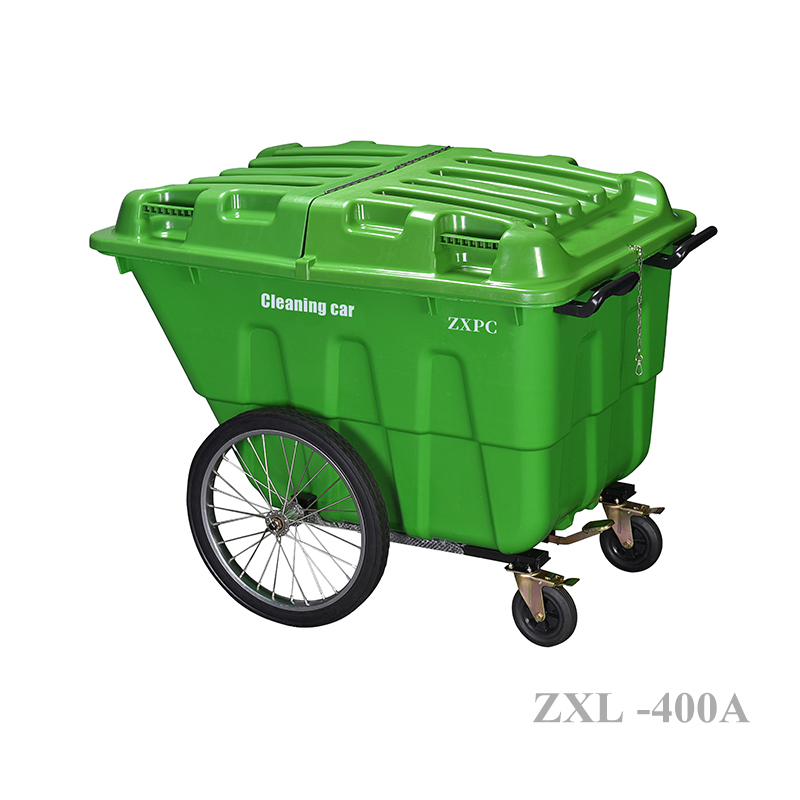
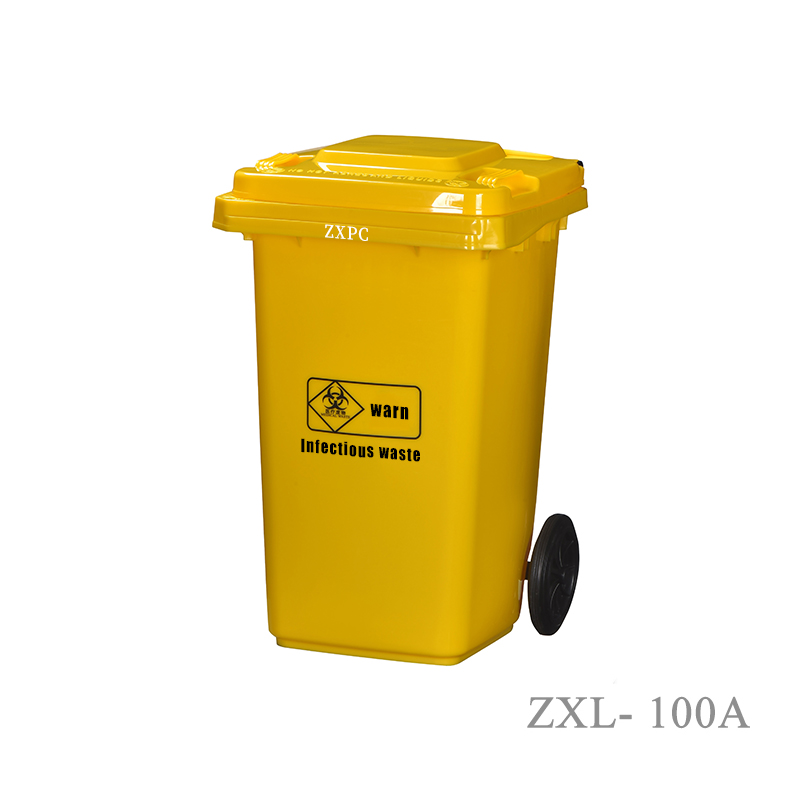
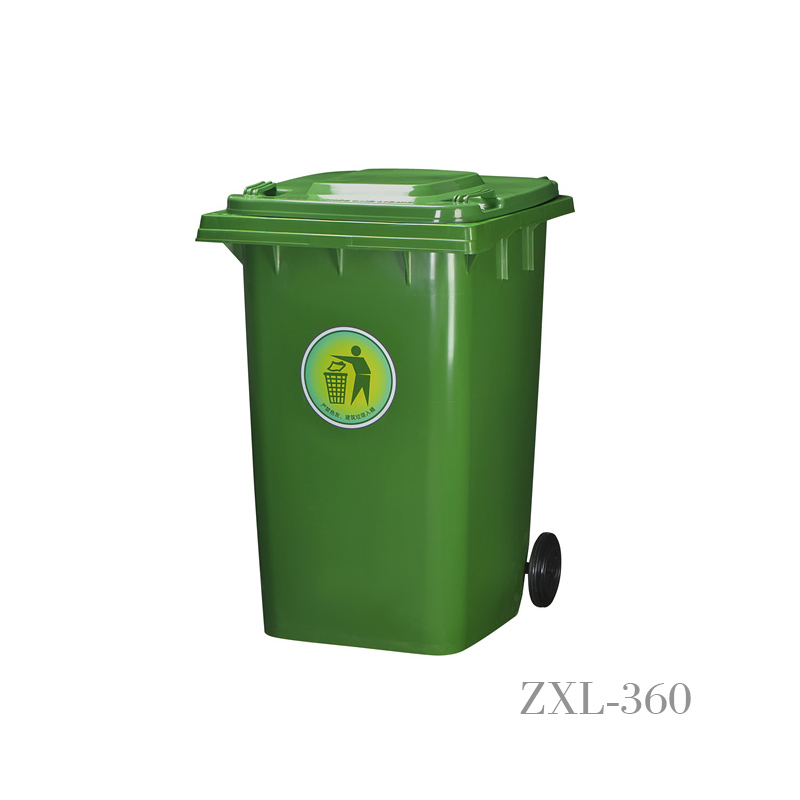
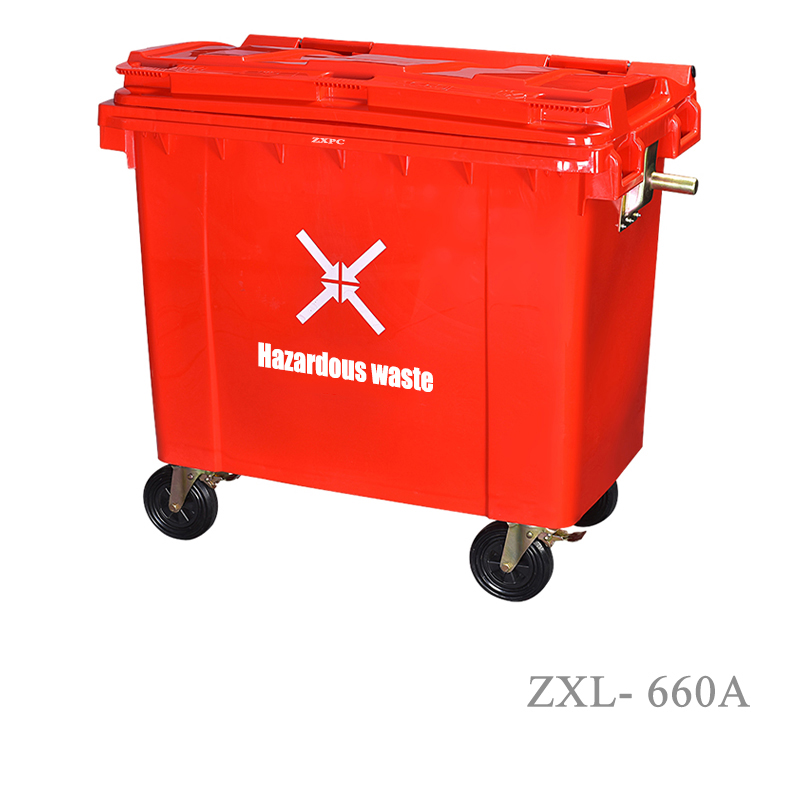
Not all medical waste bins are the same. Here are common types:
Selecting the right bin is essential for effective waste management. Consider these factors:
Hospital waste management must follow strict regulations. These laws vary by location, but generally include:
Following correct disposal practices is vital for safety. Here are some recommended steps:
Choosing a medical waste bin for hospitals is essential for safety and compliance. Understanding the types of waste and selecting the appropriate bin helps protect health care workers and patients. Always follow regulations and best practices for waste disposal. Proper waste management ensures a safe hospital environment.
1. What is the purpose of a medical waste bin?
A medical waste bin is designed to safely collect, store, and dispose of various medical waste.
2. How often should medical waste bins be emptied?
They should be emptied regularly, depending on the amount of waste produced in the facility.
3. Are there specific labels needed for medical waste bins?
Yes, all medical waste bins must have clear labels indicating the type of waste they contain.
4. Can I use regular trash bins for medical waste?
No, it is unsafe and illegal to dispose of medical waste in regular trash bins.
5. What are the consequences of improper medical waste disposal?
Improper disposal can lead to serious health risks, legal penalties, and environmental harm.
6. How can staff be trained on medical waste disposal?
Regular training sessions on proper waste management and disposal procedures are essential for staff.