Introduction
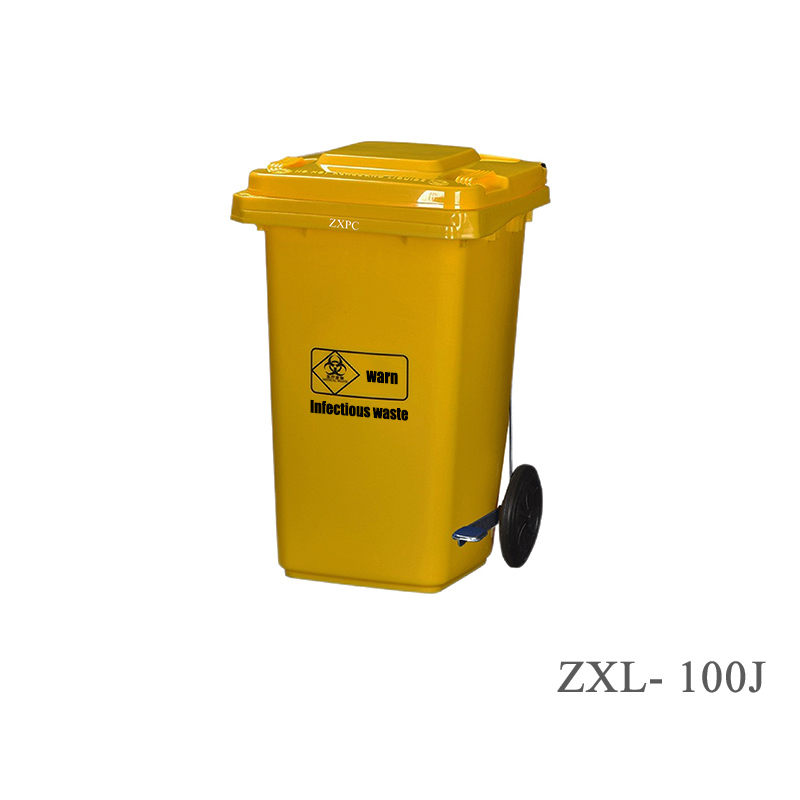
Medical Waste Bins are crucial for keeping healthcare settings safe and clean. The disposal of medical waste is a pressing issue. Improper management can lead to contamination and health risks for both patients and staff. Medical waste includes items like used needles, bandages, and chemical waste. It is important to have the right containment systems in place. Not only do they protect the environment, but they also ensure compliance with regulatory standards.
Summary Answer
**Medical waste bins enhance safety by providing a secure way to dispose of hazardous materials, preventing contamination and infection risks.**
1. Importance of Medical Waste Bins
1. **Protection of Health Workers**
- Exposure to hazardous materials in healthcare can lead to serious health issues. Medical waste bins help keep workers safe.
2. **Environmental Impact**
- Proper disposal of medical waste reduces pollution. It ensures harmful substances do not affect wildlife and ecosystems.
3. **Financial Consequences**
- Improper waste disposal can lead to fines and legal issues. Investing in medical waste bins can save facilities money in the long run.
2. Types of Medical Waste Bins
1. **Sharps Containers**
- Specially designed to hold needles and sharp items without risk of punctures. These bins are usually rigid and marked clearly.
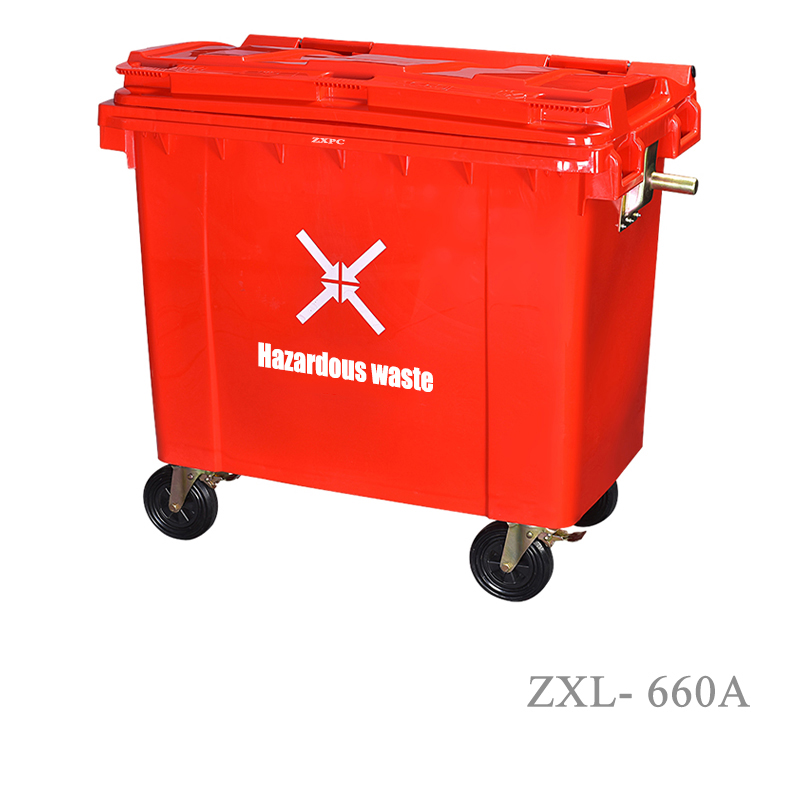
2. **Biohazard Waste Bins**
- For biodegradable materials like contaminated gloves and bandages. They are often marked with a biohazard symbol.
3. **Pharmaceutical Waste Bins**
- Used for disposing of expired or unused medications. These help prevent accidental ingestion or environmental harm.
3. Best Practices for Usage
1. **Correct Placement**
- Bins should be easily accessible in all areas where medical waste is generated. This encourages proper disposal.
2. **Regular Maintenance**
- It is important to check bins regularly for filling. Schedule timely pickups to avoid overflow.
3. **Staff Training**
- Healthcare staff should be trained on how to use the bins properly. This includes differentiating between types of waste and knowing the disposal protocols.
Conclusion
Medical waste bins are essential in enhancing safety within healthcare environments. They protect workers, the public, and the environment from harmful effects of medical waste. By implementing best practices and using the right types of bins, healthcare facilities can ensure effective waste management and compliance with safety standards.
FAQ
1. **Why are medical waste bins important?**
- They provide a safe method for disposing of hazardous materials and protect health workers and the environment.
2. **What types of medical waste require special bins?**
- Sharps, biohazardous waste, and pharmaceutical waste all require specific containment.
3. **How often should medical waste bins be collected?**
- Bins should be monitored regularly and collected promptly to avoid overflow and ensure compliance.
4. **Can I use regular trash bins for medical waste?**
- No, regular trash bins cannot safely contain hazardous materials and could lead to serious health risks.
5. **What should I do if a bin is full?**
- Report it immediately for scheduled collection to prevent overfilling and potential hazards.
6. **Where can I buy medical waste bins?**
- Medical supply companies or specific waste management organizations can provide various types of medical waste bins.