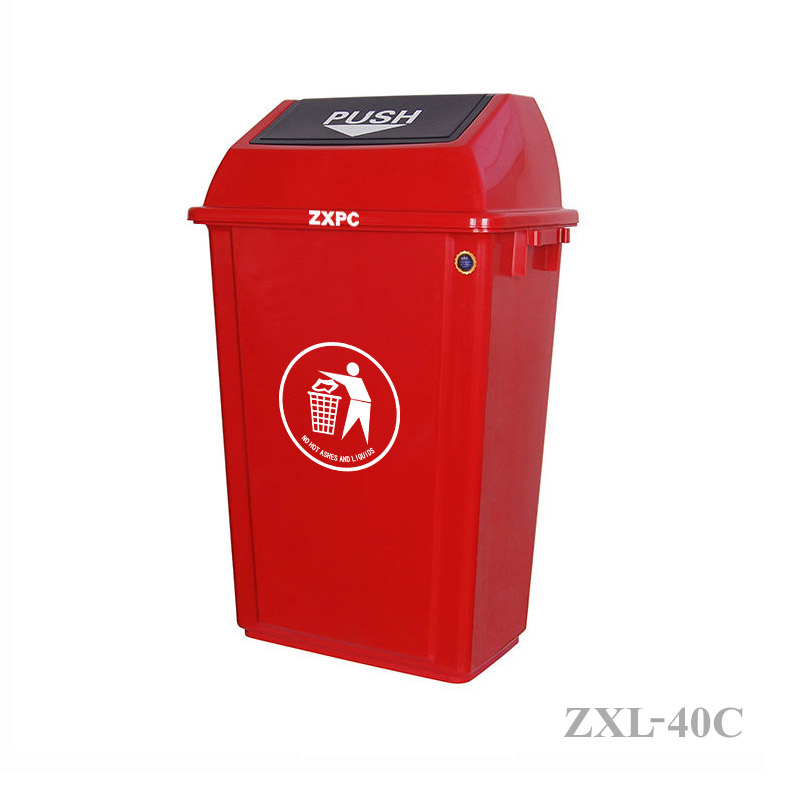
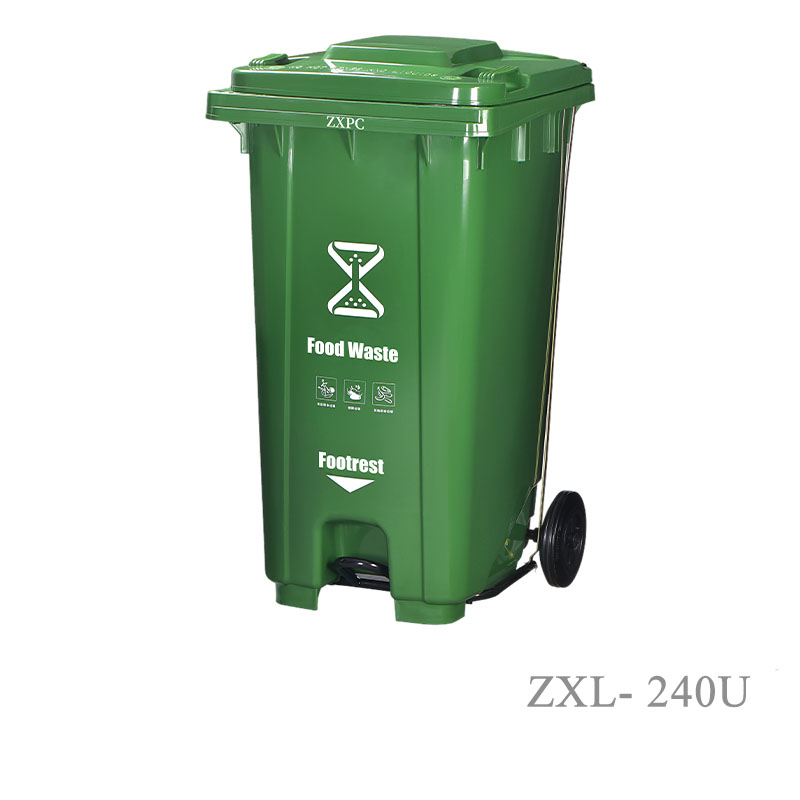
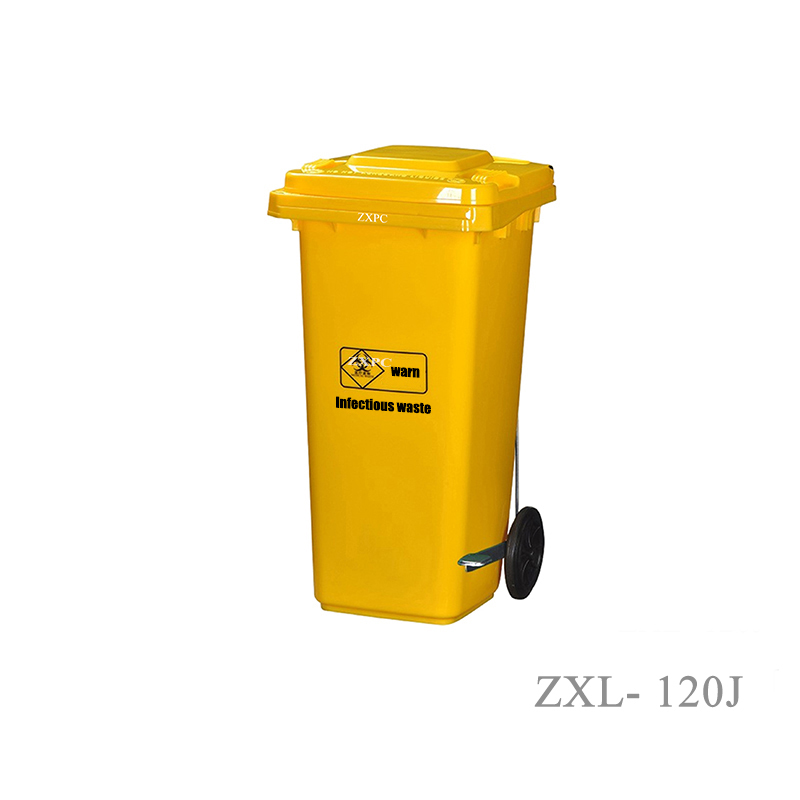
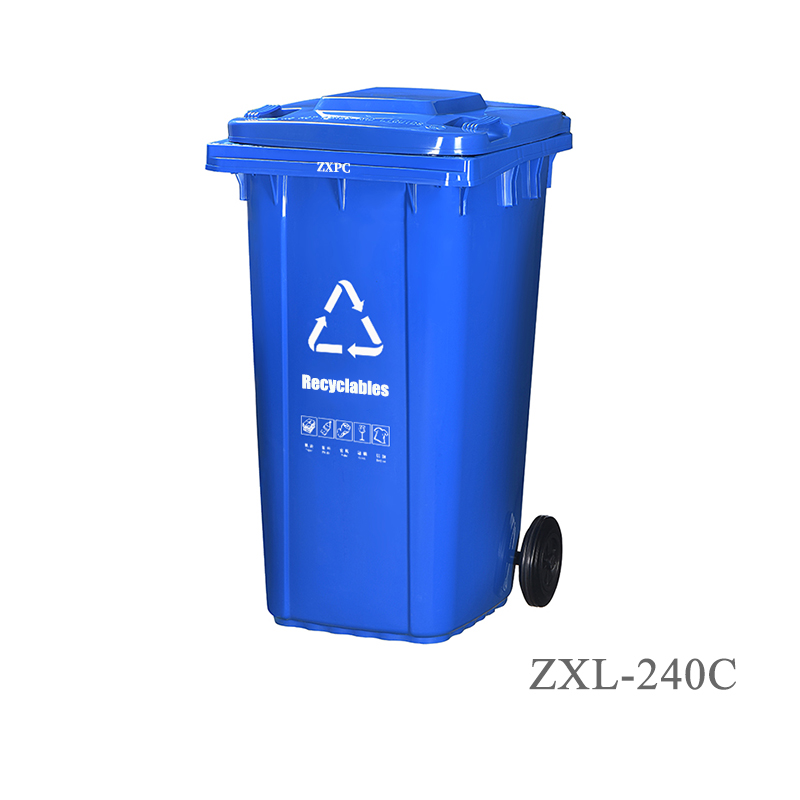
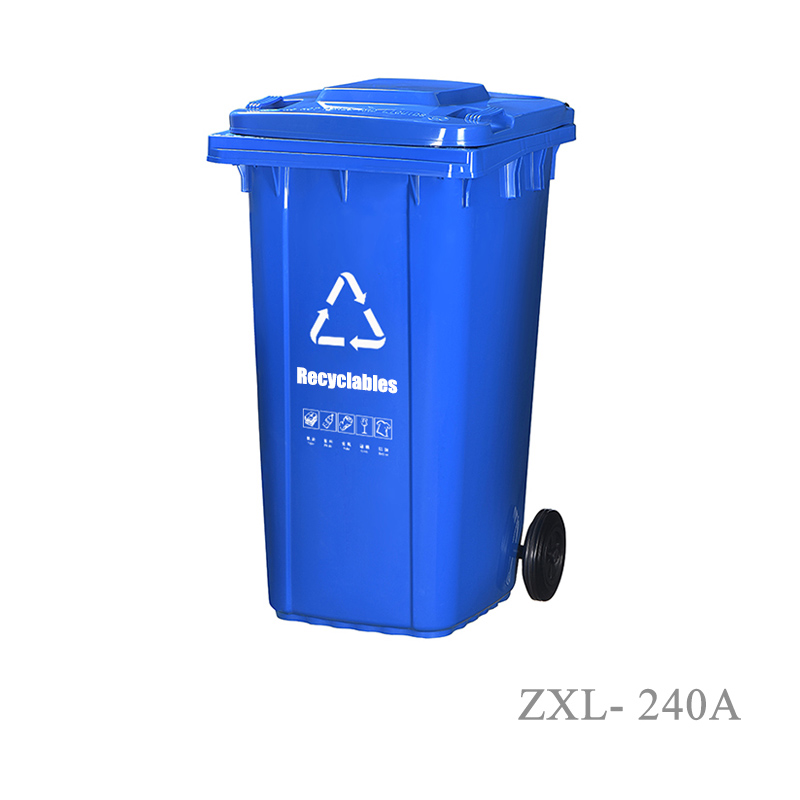
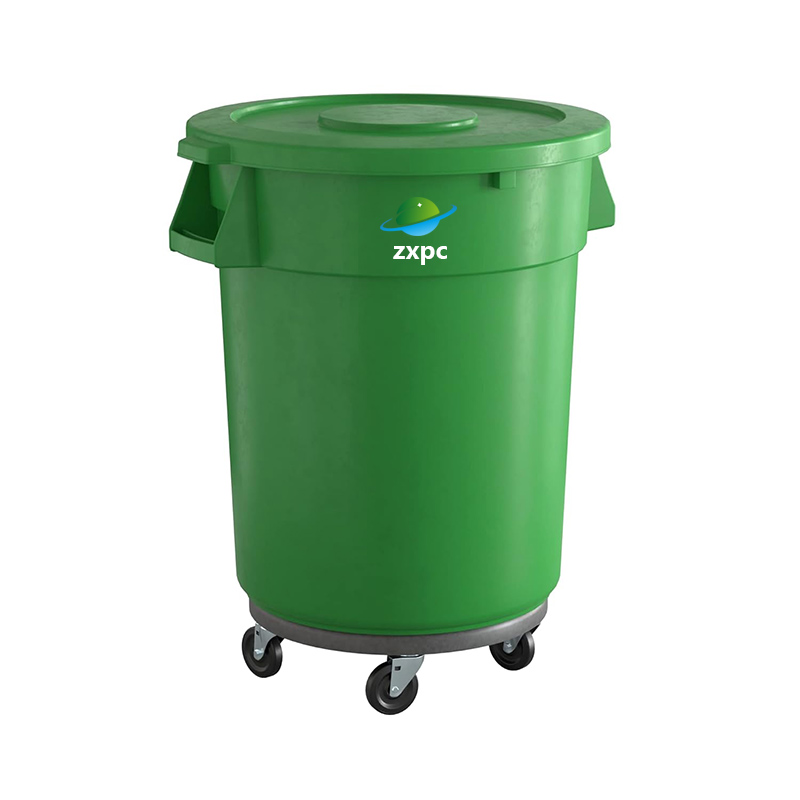
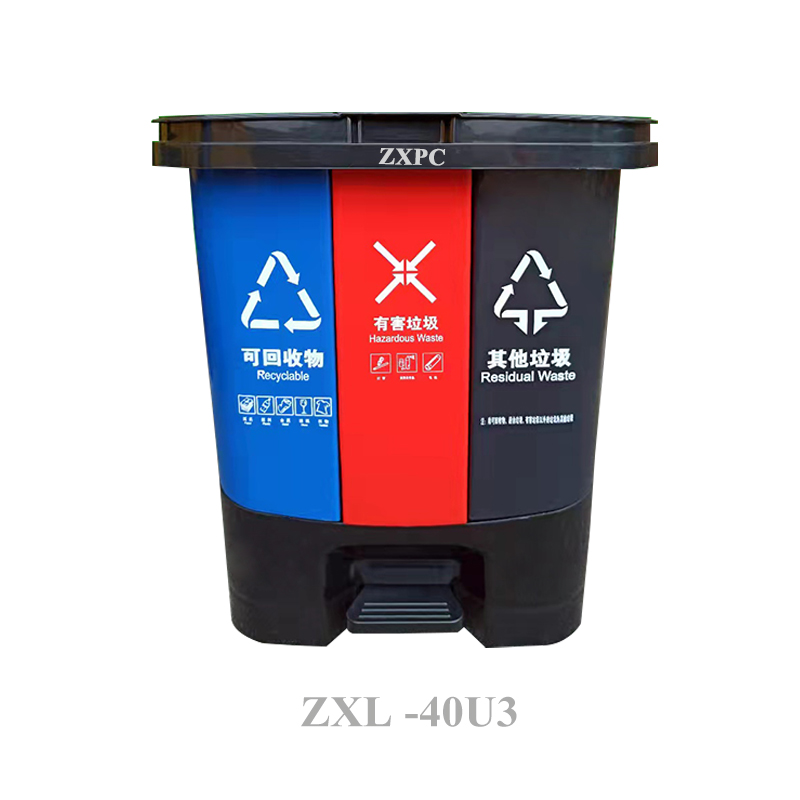
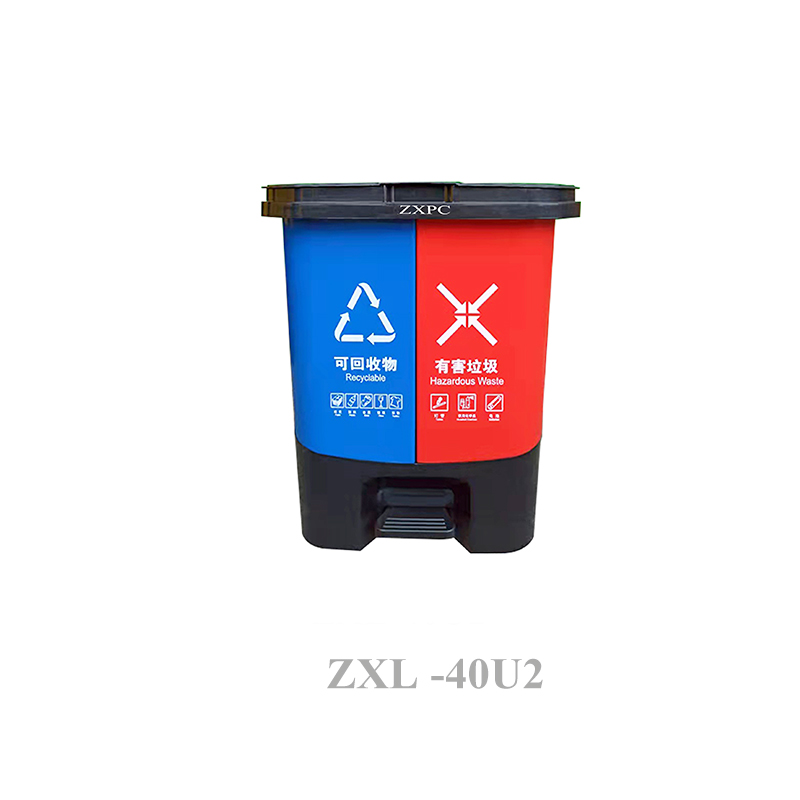
The trash can is a vital component of our everyday lives, managing waste efficiently and hygienically. From its early iterations, the trash can has evolved significantly over time, reflecting our changing needs and attitudes toward waste management. Understanding the history of the trash can not only provides insight into its design but also highlights its role in promoting public health and environmental awareness.
The journey of the trash can can be divided into four distinct periods of evolution:
In ancient civilizations, waste disposal was rudimentary. Communities typically relied on pits or rivers for waste. Archaeological evidence shows that people began to pile refuse outside their homes.
With urbanization, the accumulation of waste became a significant issue. Homes had basic containers to hold refuse, yet public health concerns grew.
As cities expanded, the need for organized waste management intensified. The first metal trash cans were introduced in the 19th century, reflecting industrial advancements.
In recent decades, trash cans have become more specialized and eco-friendly, incorporating materials and designs that reflect sustainability initiatives.
Today, various styles of trash cans cater to different needs:
Commonly found in homes for everyday waste, these come in various sizes and designs for maximum convenience.
Designed for businesses, these are often larger and more durable, suitable for high-traffic areas.
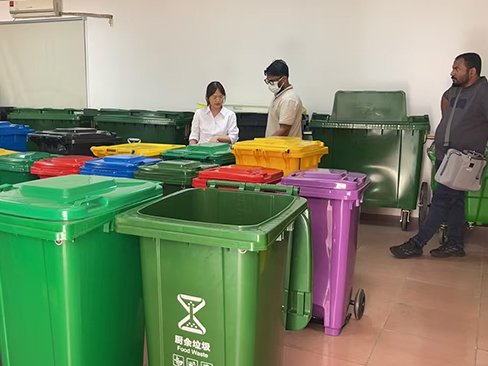
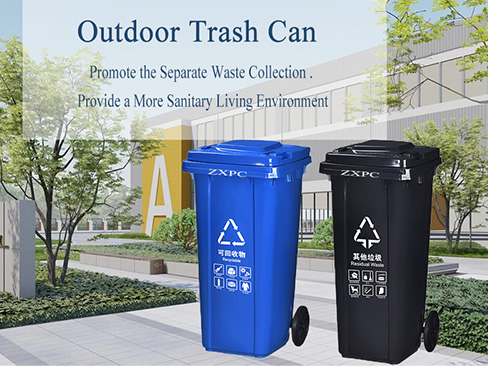
With the growing emphasis on recycling, bins for segregating waste have become essential components of waste management.
These are designed specifically for organic waste, facilitating composting efforts to enrich soil.
Trash cans play a significant role in environmental conservation by encouraging proper disposal methods. The following table outlines the environmental benefits:
| Feature | Benefit |
|---|---|
| Recycling Capability | Reduces landfill waste and conserves resources. |
| Composting Options | Enhances soil health by returning nutrients. |
| Durability | Long-lasting materials reduce waste from replacements. |
As technology advances, the future of trash cans looks promising:
Integrating IoT technologies can enhance waste management efficiency by monitoring fill levels and optimizing collection routes.
Future designs may focus on completely biodegradable materials to reduce their ecological footprint.
Innovative designs may also promote community behavior changes toward waste reduction.
Future trash cans may include modular systems that adapt to varying waste types and volumes.
The history of the trash can reflects broader societal changes in waste management and public health. It reminds us of our individual and collective responsibilities towards waste. As we innovate the design and functionality of trash cans, we pave the way for a cleaner, greener future.
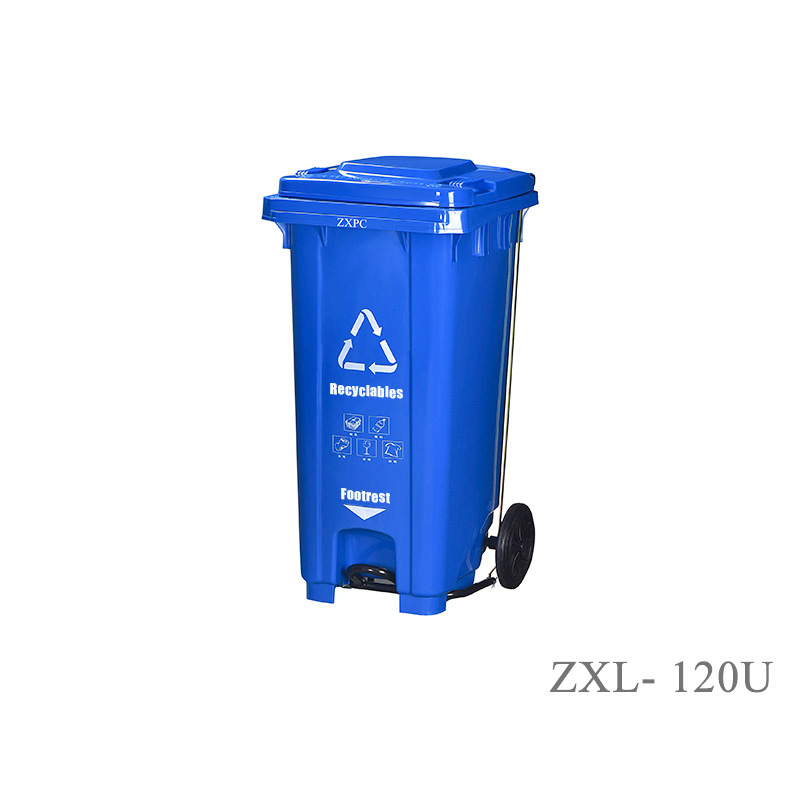
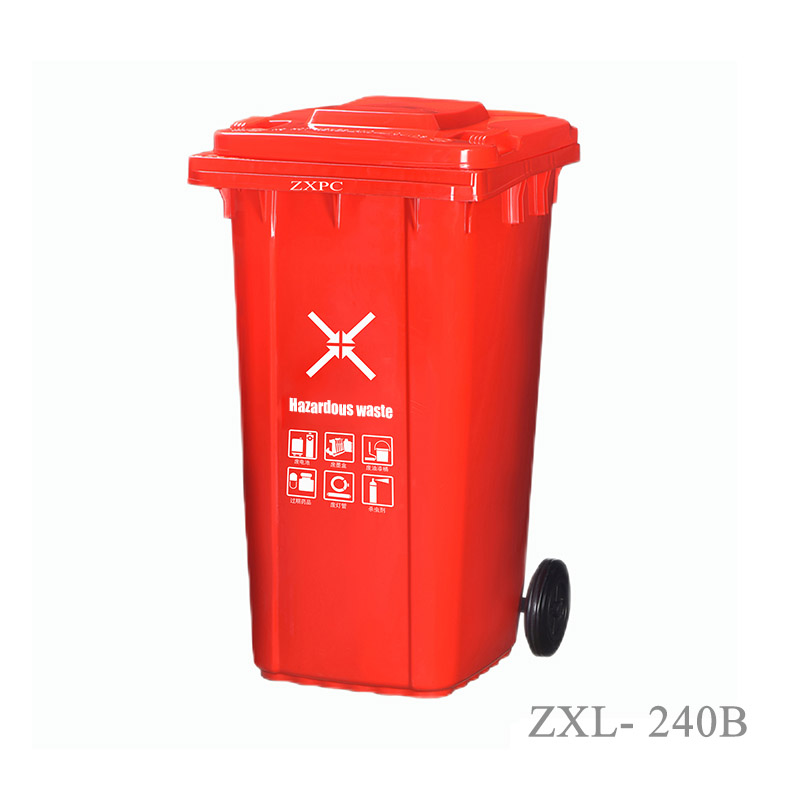
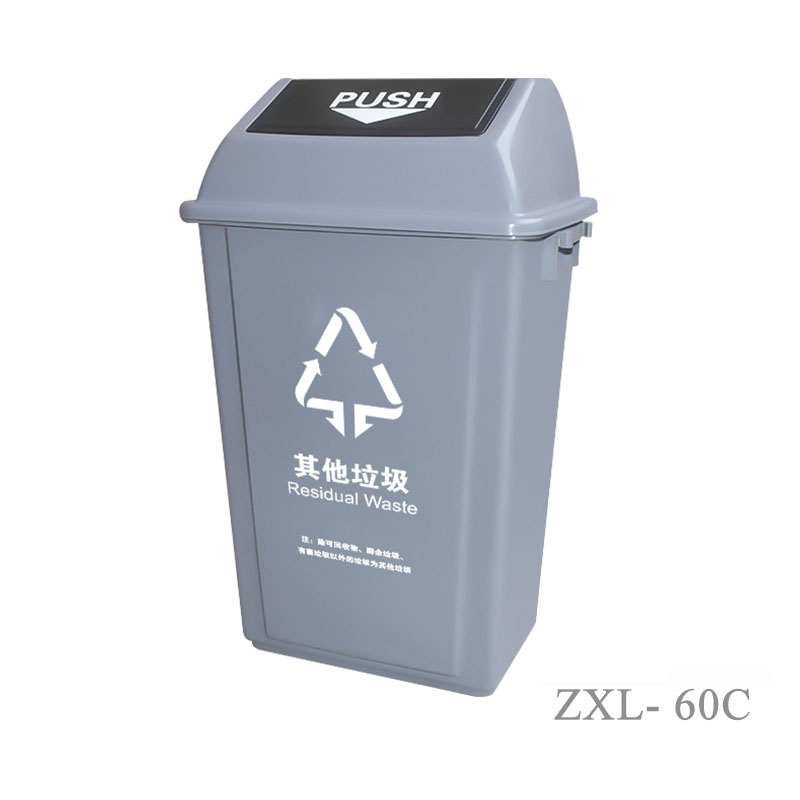
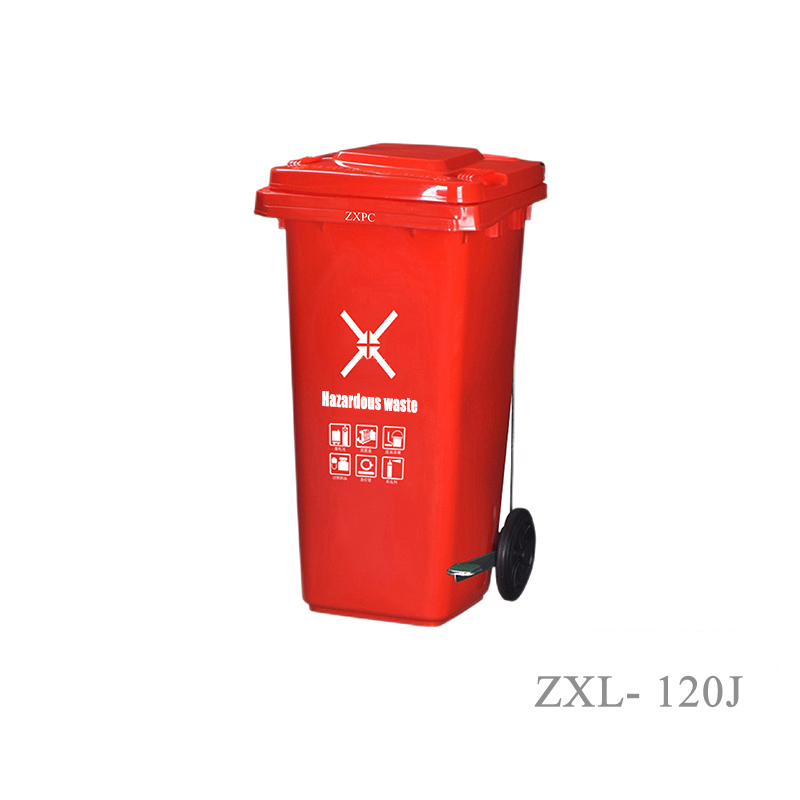
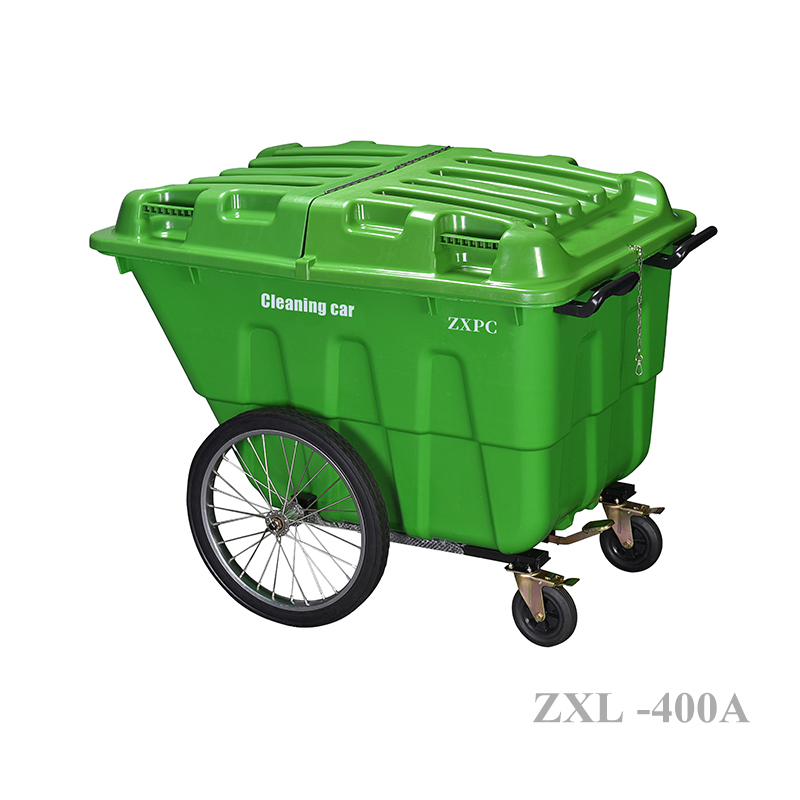
Trash cans will continue to be vital in our waste management solutions. At ZXPC, we commit to producing high-quality outdoor trash cans that meet modern needs.
If you would like more information about this product, please feel free to contact us. Recommend other popular products for you.: outside trash cans