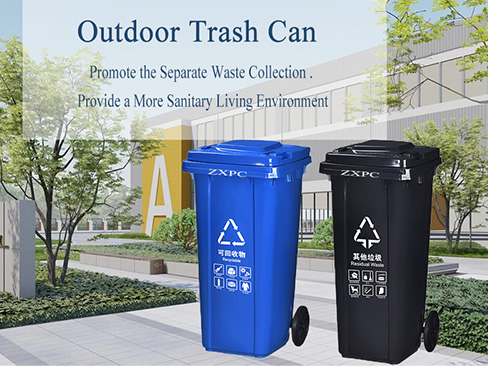
In today’s outdoor waste management landscape, the demand for outside trash cans has surged significantly due to urbanization and increased environmental awareness. Consumers are now looking for waste solutions that not only handle refuse effectively but also enhance the aesthetic appeal of their surroundings. A recent study indicated that 72% of homeowners express concern about the visual impact of trash cans on their properties. Innovations in materials and design are emerging as key solutions to these pain points, facilitating both efficiency and enjoyment in public spaces and residential areas.
The pivotal drivers behind the latest innovations in outdoor trash can design and materials include sustainability, durability, and user-friendly features. As cities implement stricter recycling and waste management policies, manufacturers are responding with enhanced functionality and eco-friendly options. For instance, products made from recycled plastics have seen a marked increase in popularity, with a reported 53% of consumers preferring environmentally sustainable waste solutions. This is further complemented by technological advancements that incorporate smart features such as sensors for waste level monitoring. Companies like ZXPC have integrated materials such as high-density polyethylene (HDPE) and galvanized steel into their designs, offering both corrosion resistance and longevity.
The emergence of smart trash cans equipped with IoT (Internet of Things) technology has taken waste management to the next level. For example, smart cans can notify waste management services when full, reducing unnecessary pickups. According to a 2022 research report by Tech Innovations Inc., cities adopting smart bins have realized an operational efficiency improvement of up to 30%.
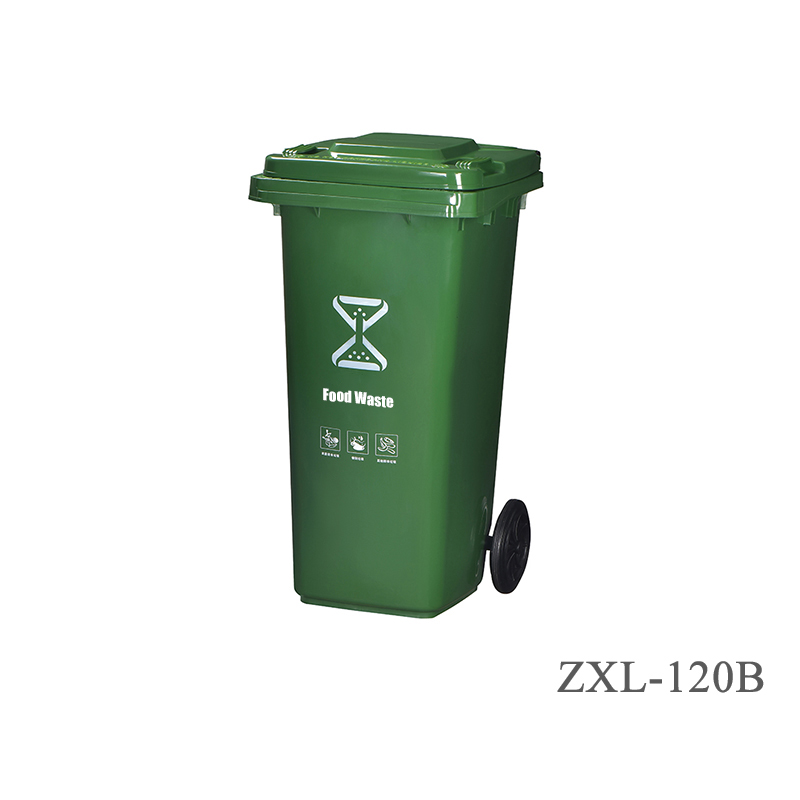
As consumers become more eco-conscious, the shift to biodegradable and recycled materials in exterior trash cans is substantial. Recent statistics show a 45% rise in the use of compostable plastics in product offerings. This trend aligns with a growing preference where 63% of buyers explicitly seek sustainable products when purchasing waste management solutions.
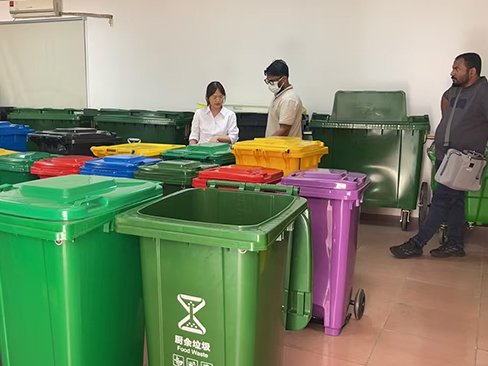
With consumers increasingly prioritizing aesthetics, the customization of outdoor trash cans has gained traction. Options for color, style, and branding allow businesses and homeowners to match trash cans with their outdoor decor. A survey conducted by DesignWise revealed that aesthetically pleasing design can bolster property value perceptions by up to 20%.
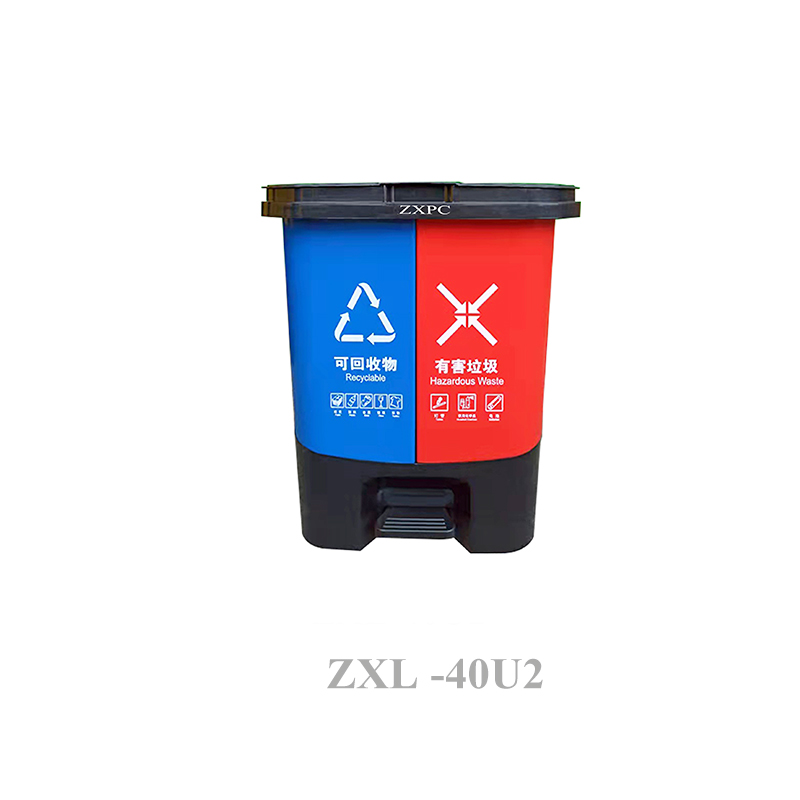
Multi-functional outdoor trash cans that combine recycling, composting, and general waste have emerged as a solution for space-constrained environments. Data indicates that a well-designed multi-functional unit can improve recycling rates by as much as 40%, ultimately benefiting the environment.
Durable trash cans constructed from materials like stainless steel and UV-resistant plastics are being preferred for public spaces due to their longevity. Evidence from street furniture resilience studies suggests these materials can last up to 10 years longer than traditional bins, drastically reducing replacement costs for municipalities.
The trends in outside trash cans are shaping consumer expectations and buying decisions. The shift towards eco-friendly, durable, and aesthetically pleasing options drives buyers towards products that not only meet functional needs but also align with personal values. For example, customers are willing to pay up to 25% more for trash cans made from sustainable materials, indicating a market shift towards responsible consumption.
When selecting an outdoor trash can, consider the following:
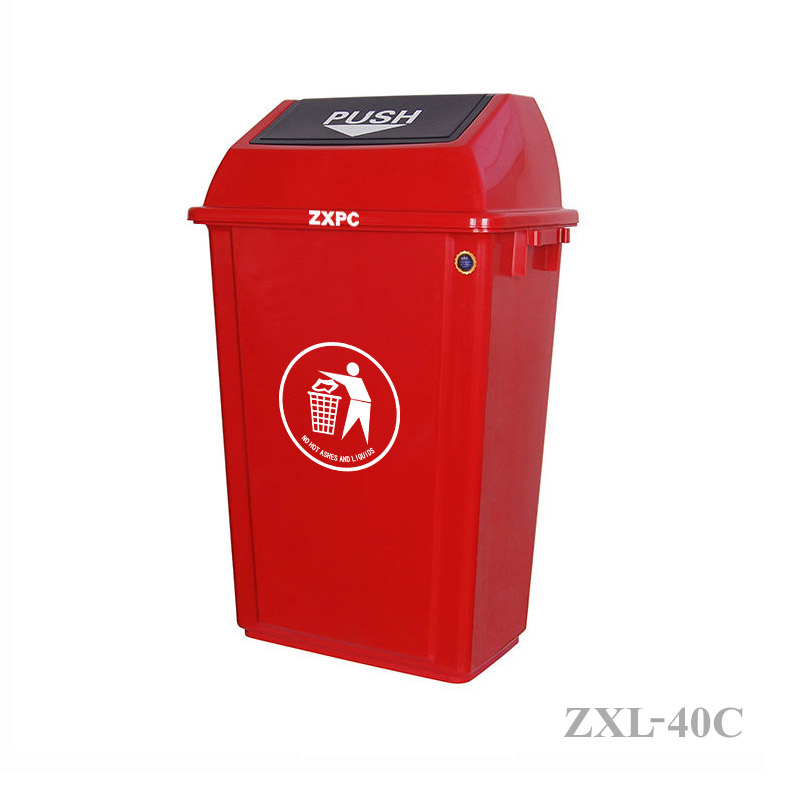
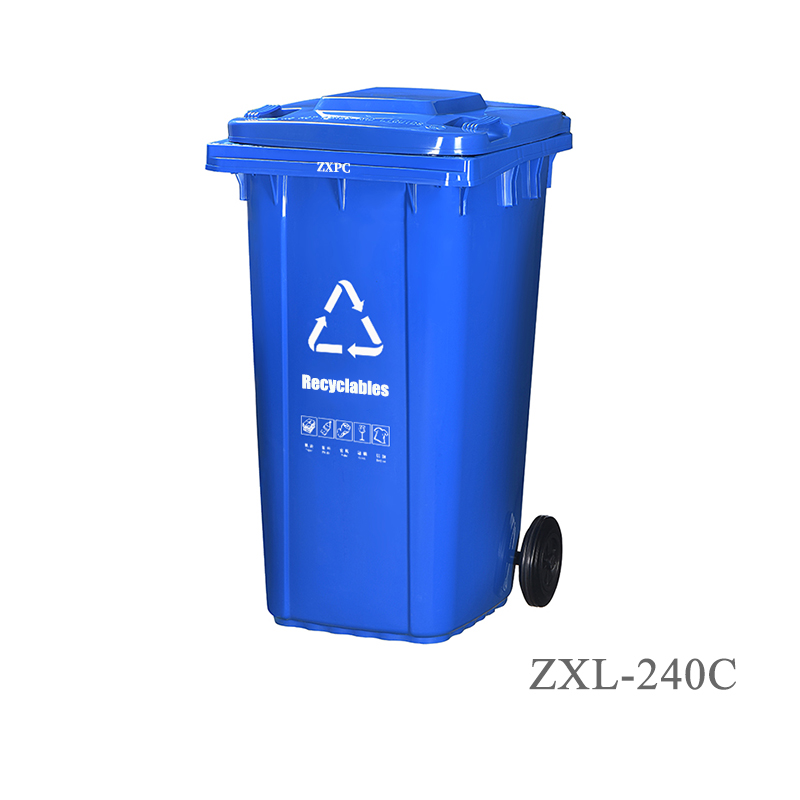
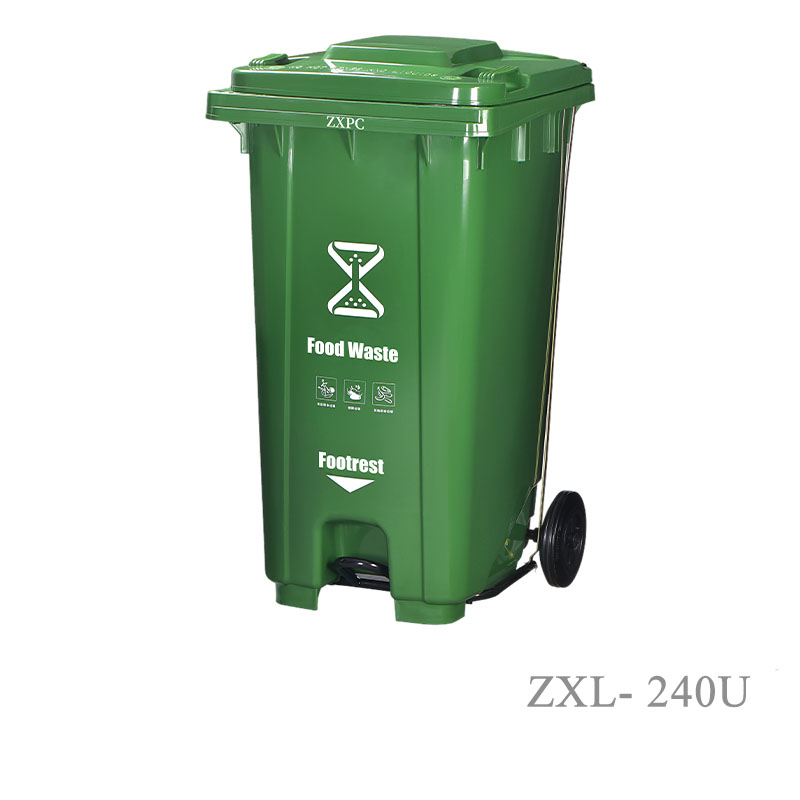
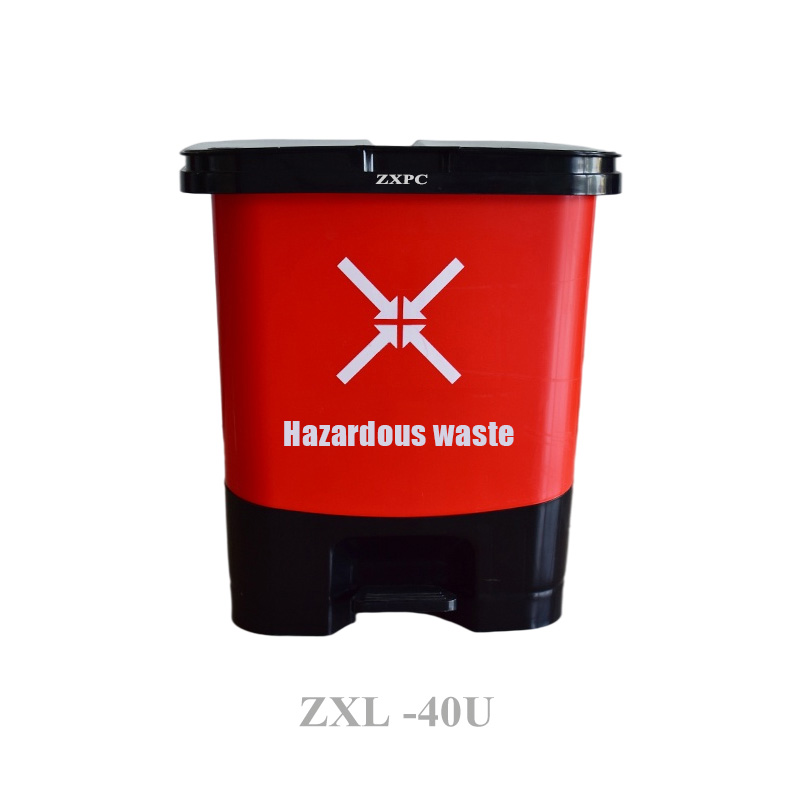
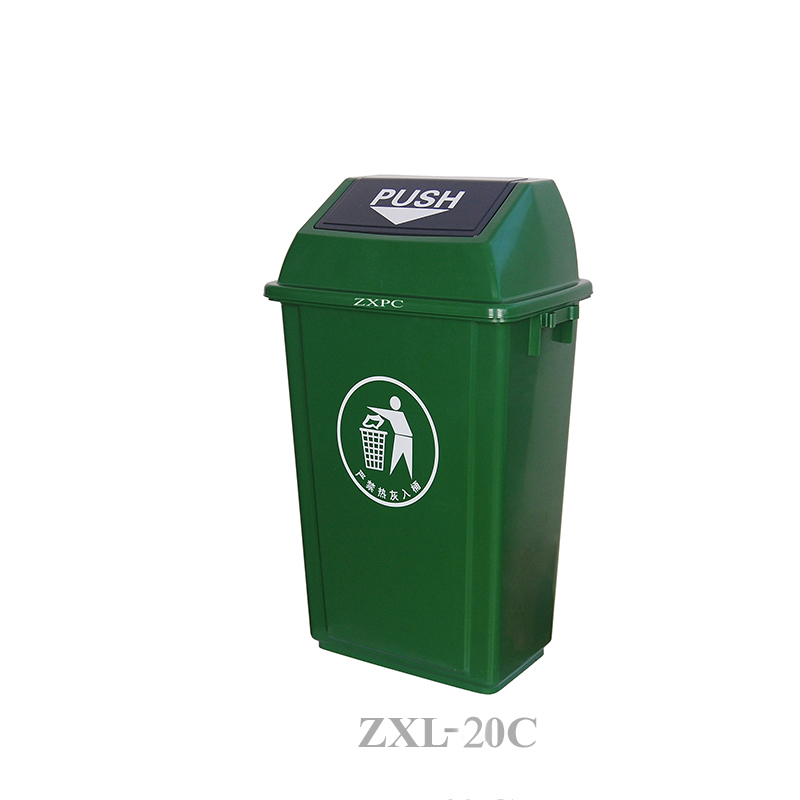
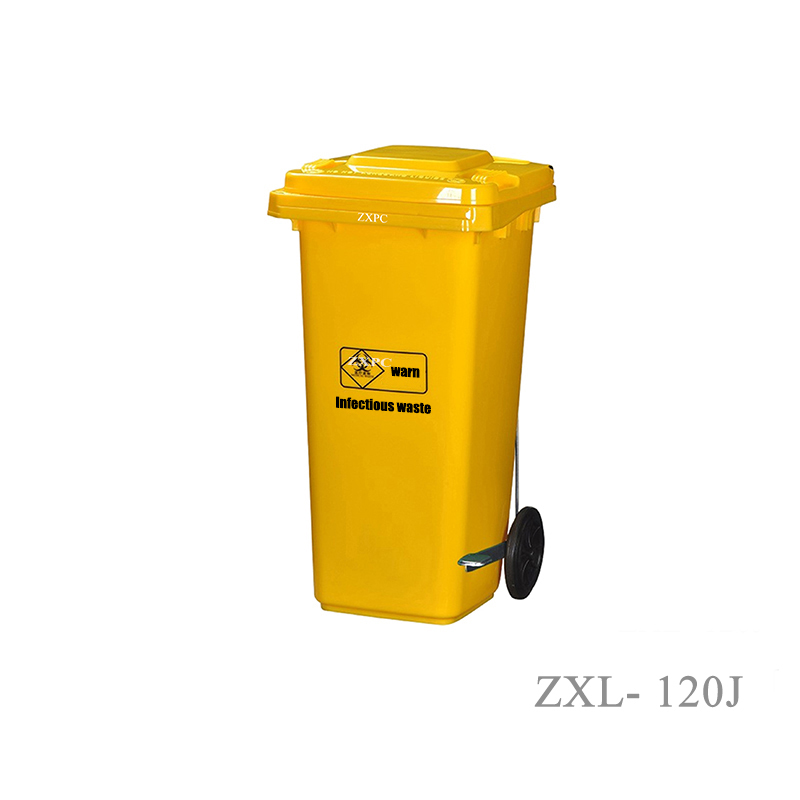
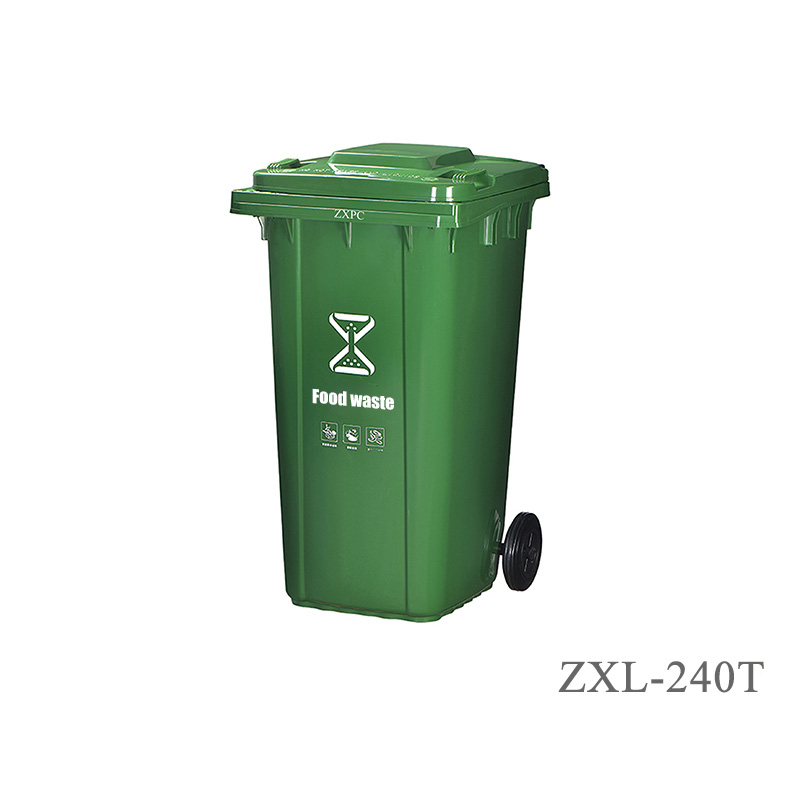
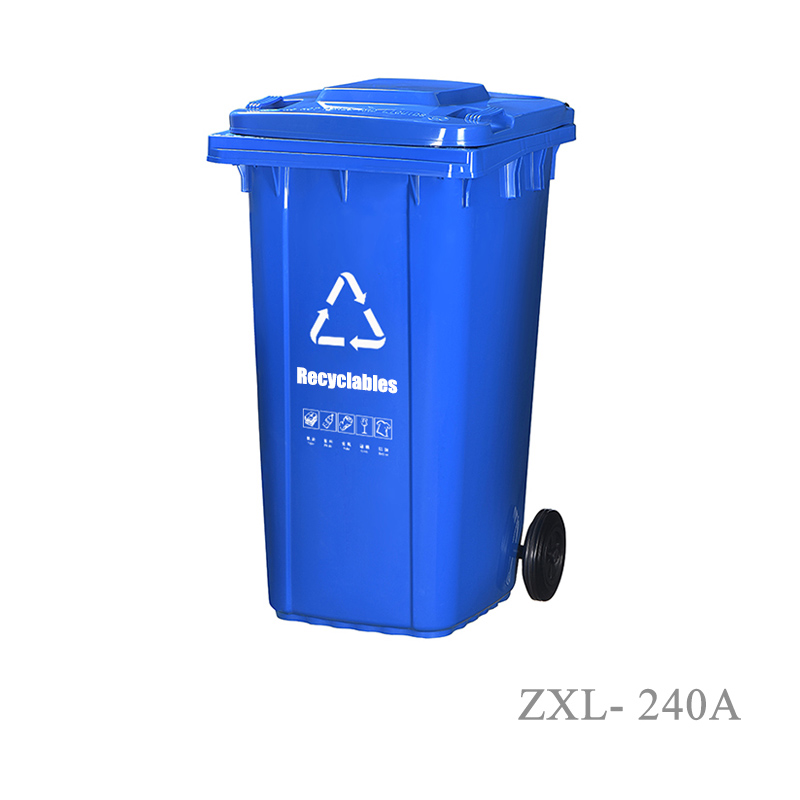
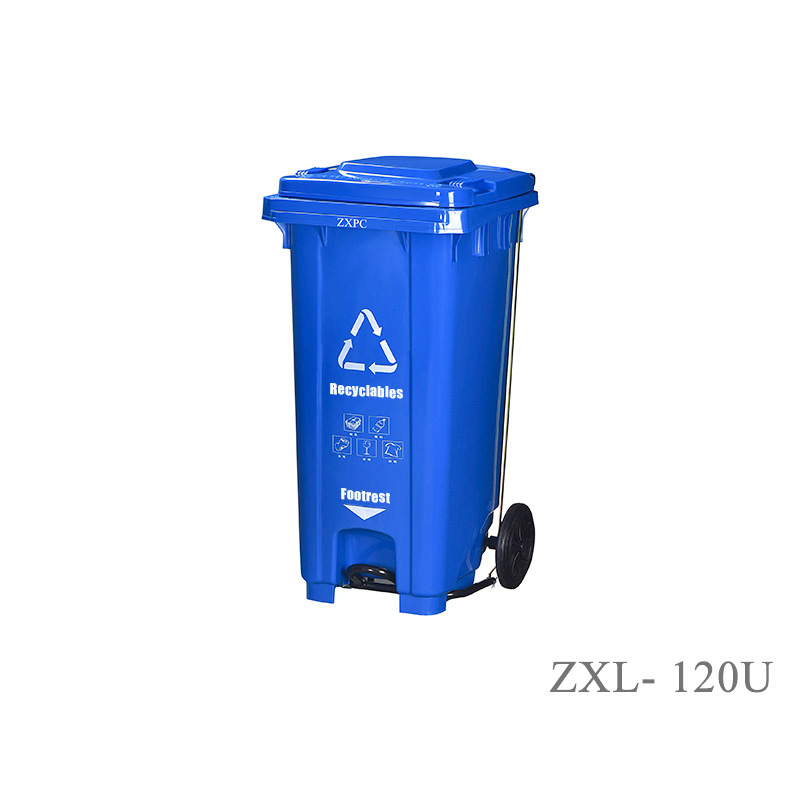
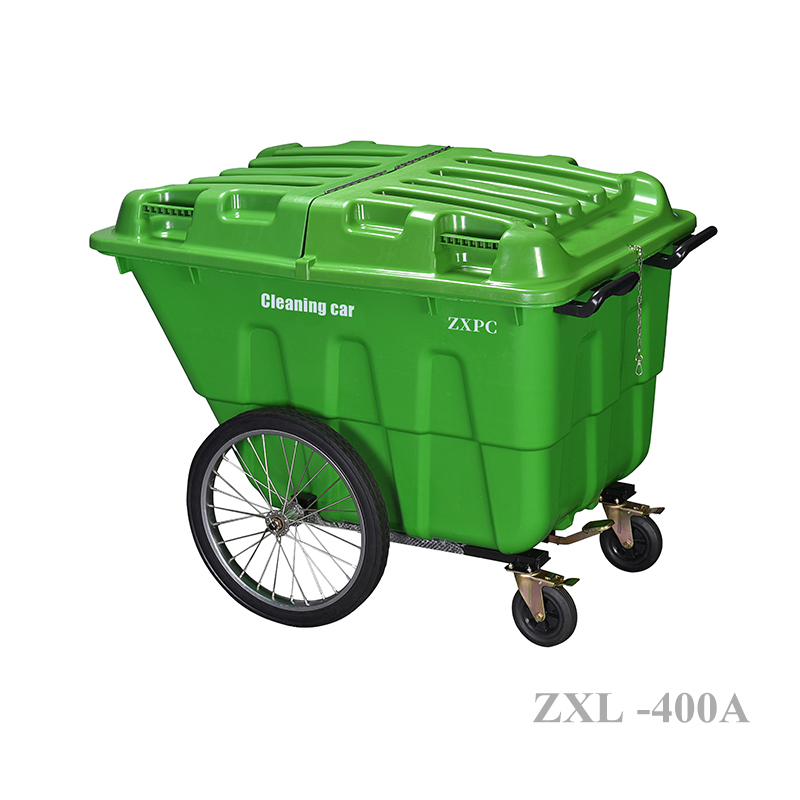
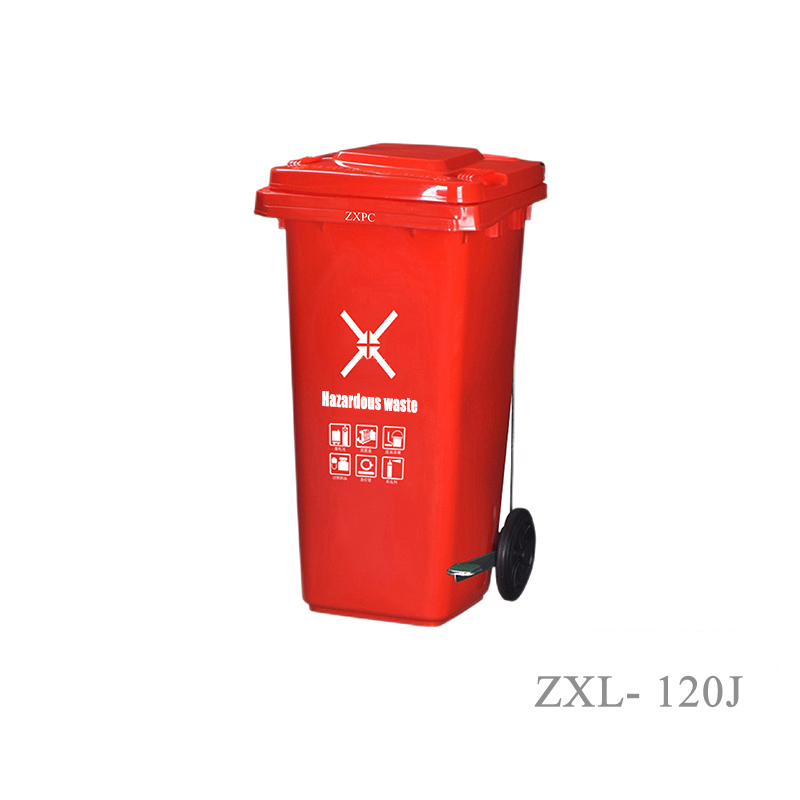
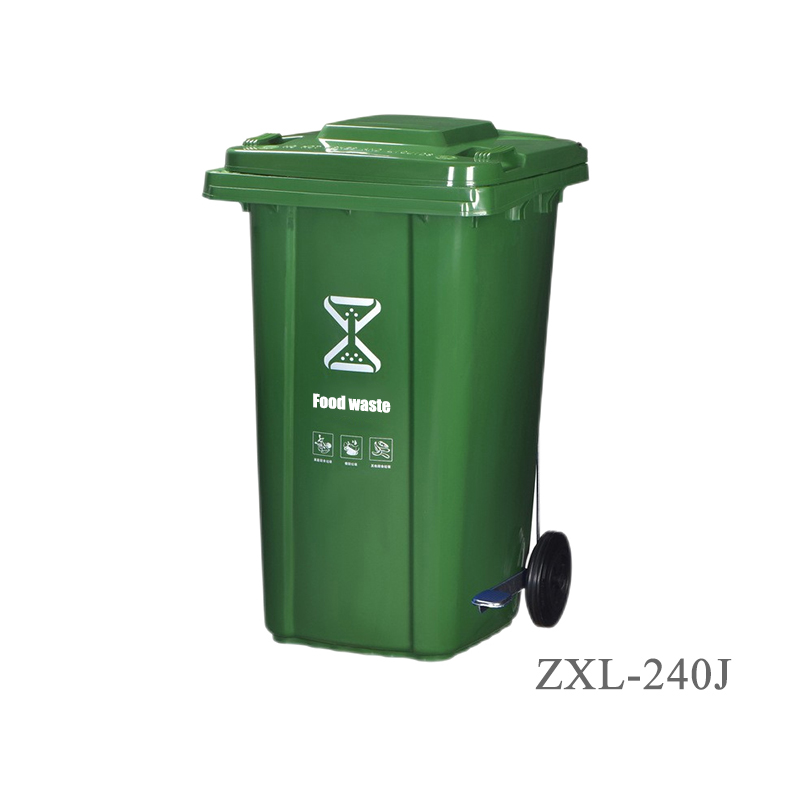
Furthermore, brands like ZXPC offer a variety of models that fit these criteria, providing excellent choices for both aesthetic and functional needs 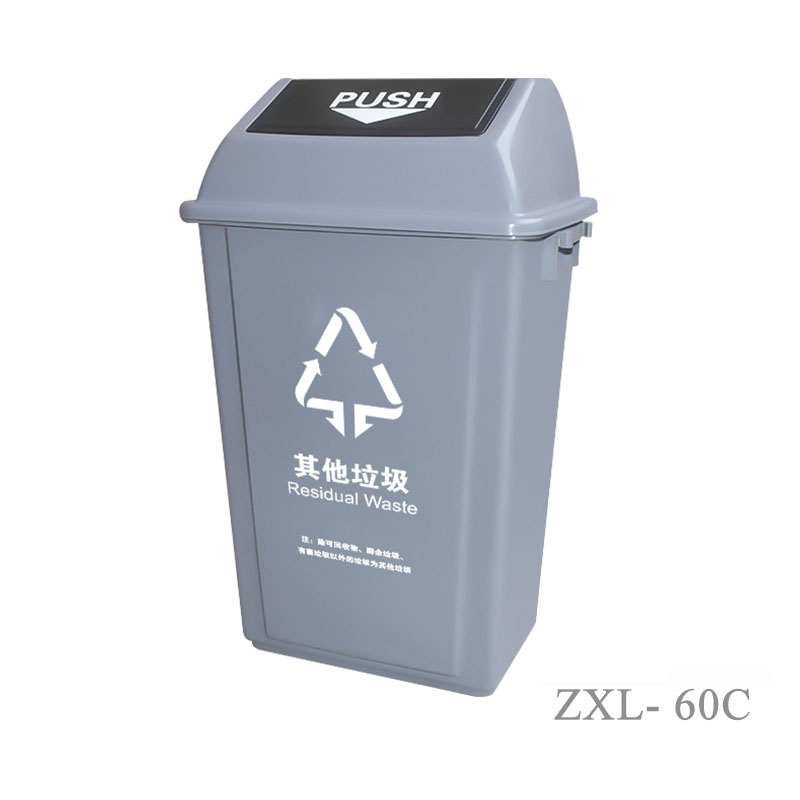 .
.
Materials such as high-density polyethylene (HDPE) and stainless steel provide durability and resist harsh weather conditions.
Smart trash cans reduce collection frequency, optimize service routes, and improve waste management efficiency, which can ultimately lead to cost savings for municipalities.
Yes! Many manufacturers now offer customizable options in colors and designs to suit specific aesthetic needs for different environments.