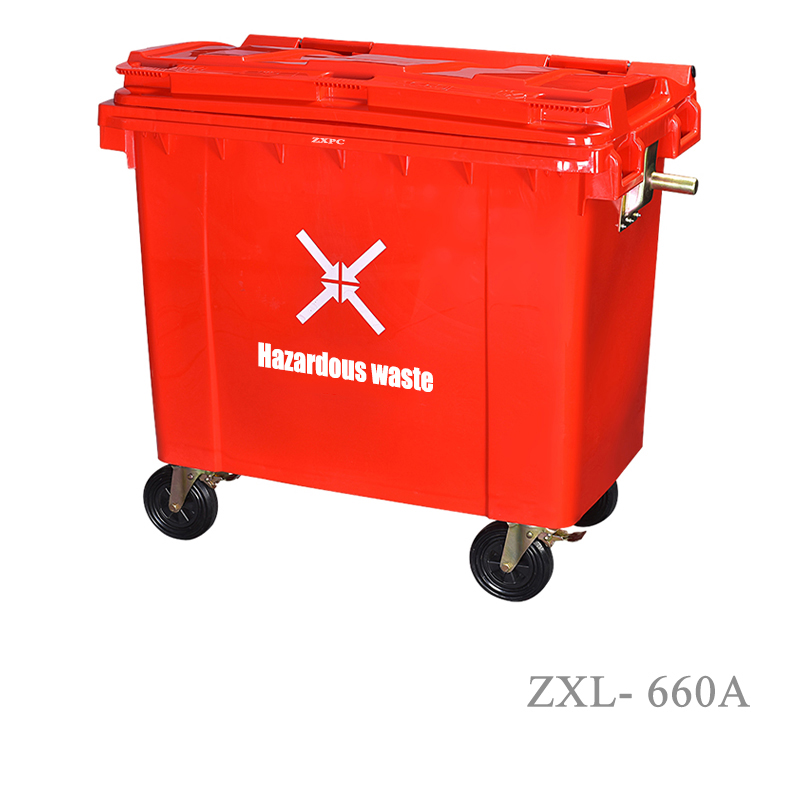
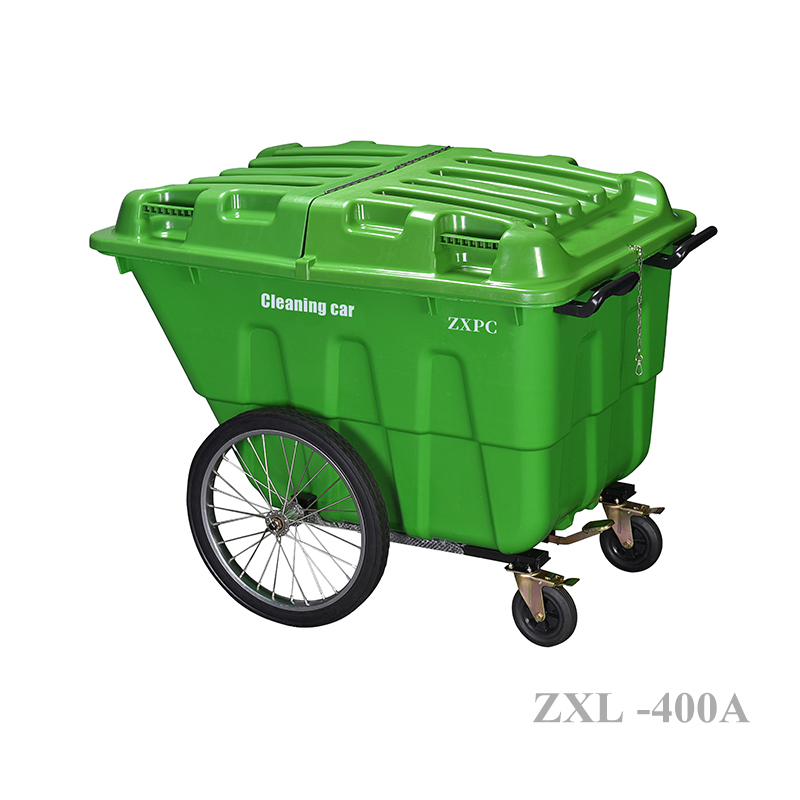
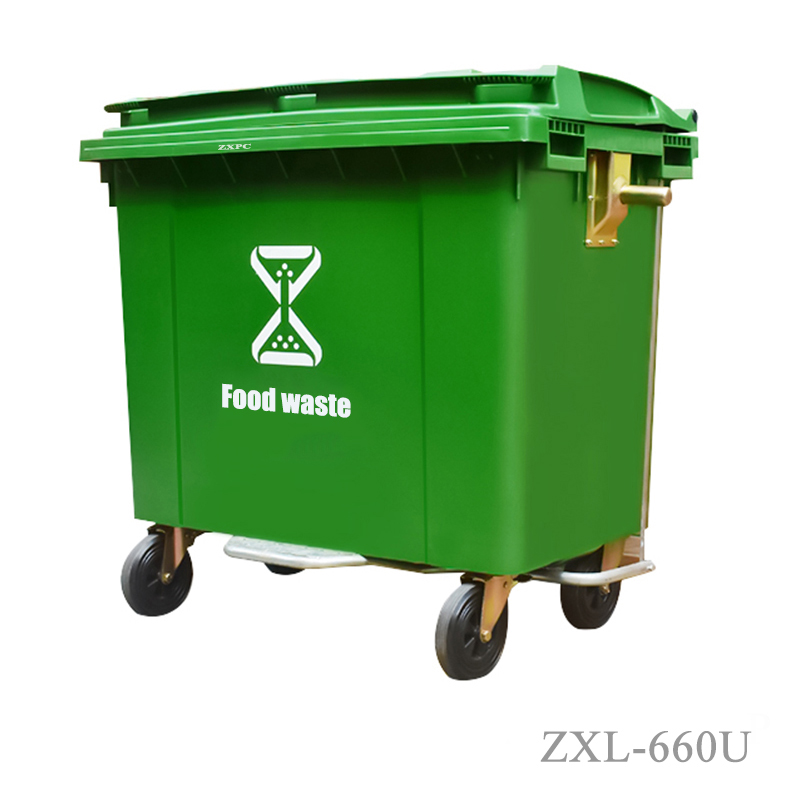
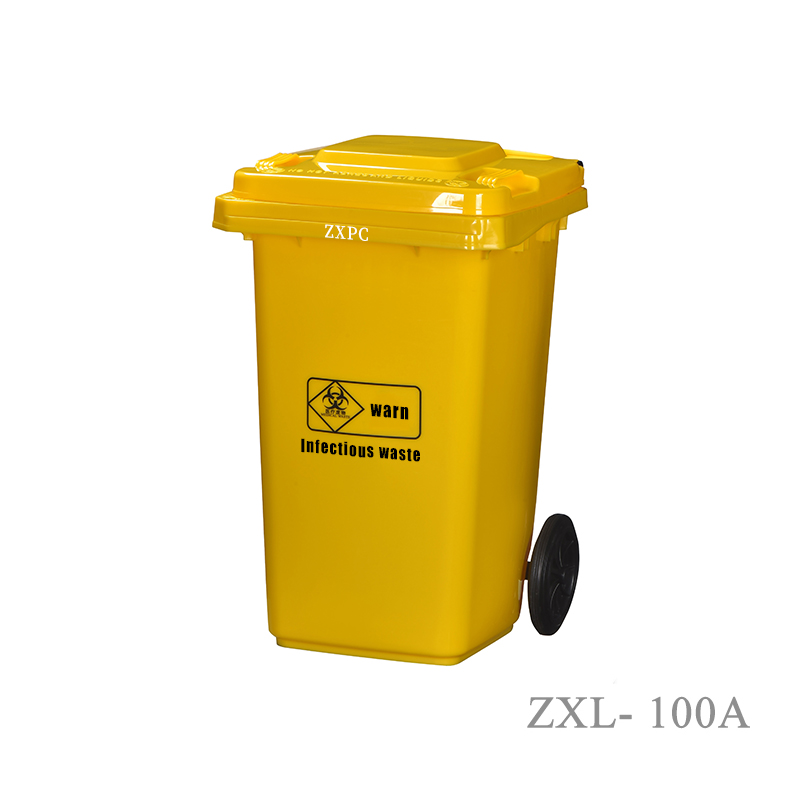
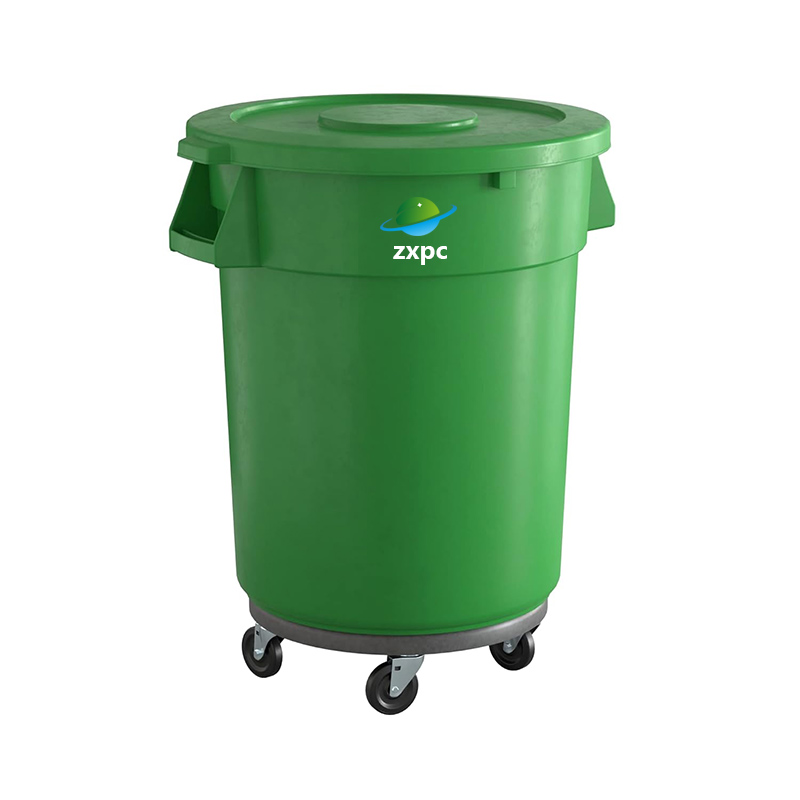
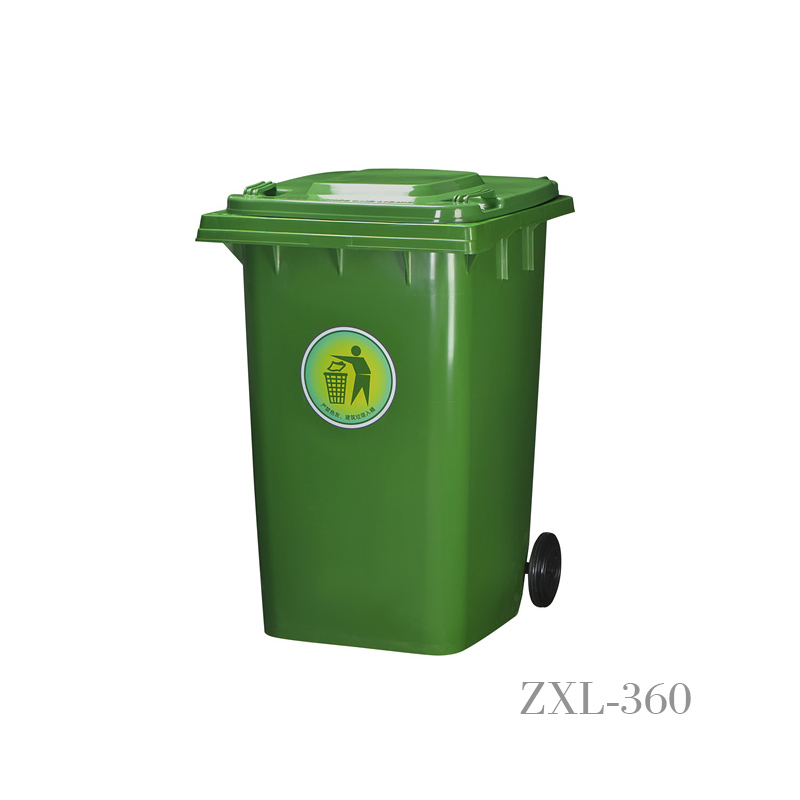
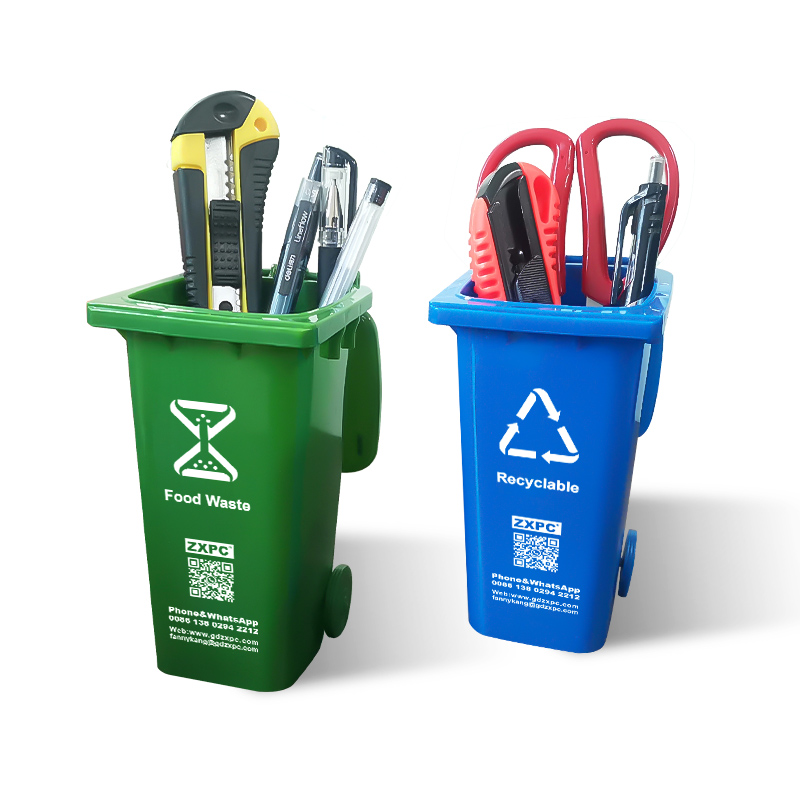
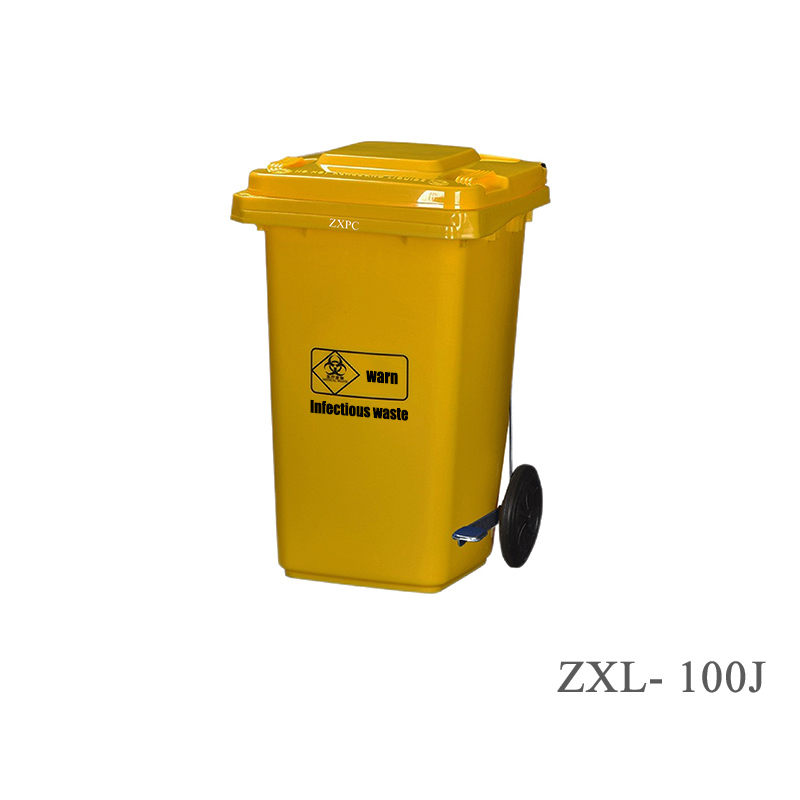
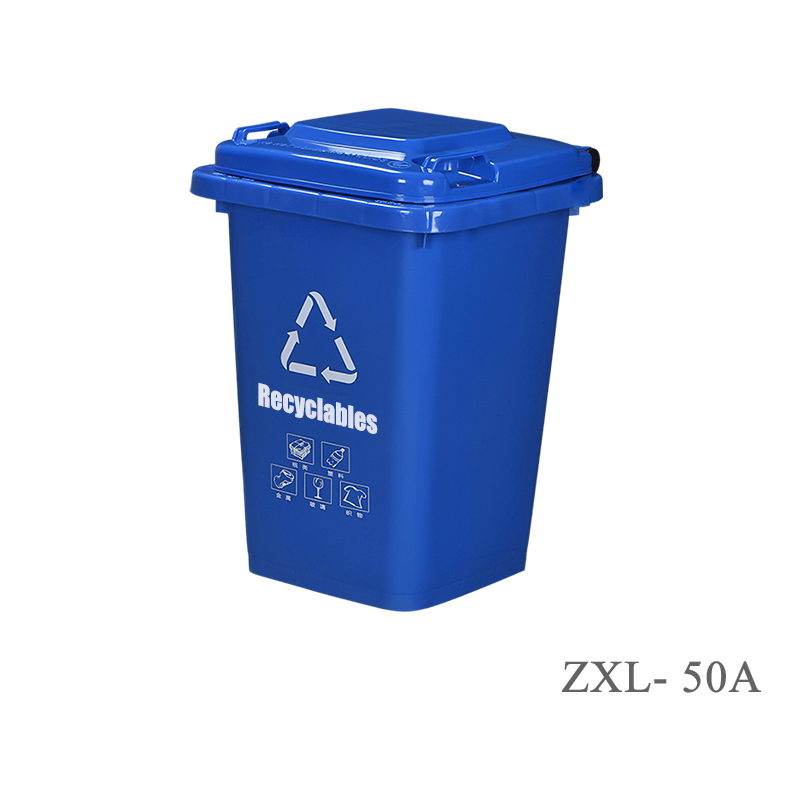
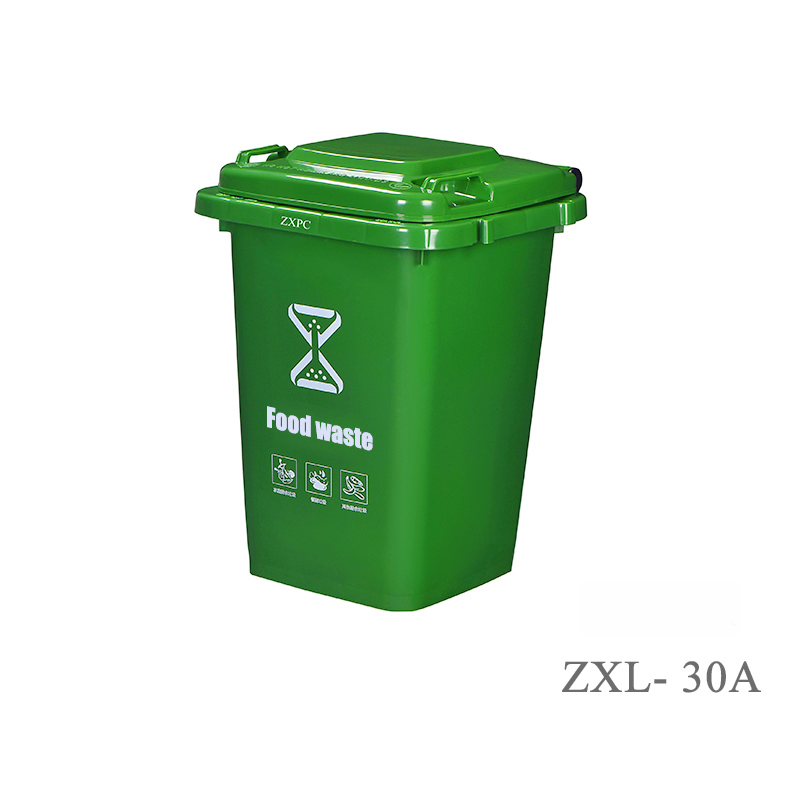
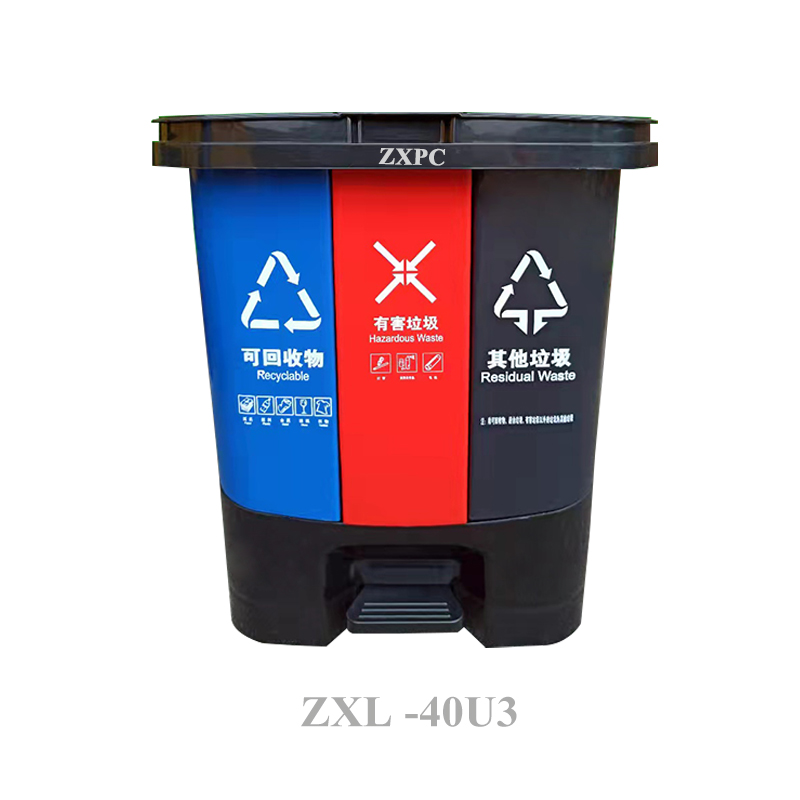
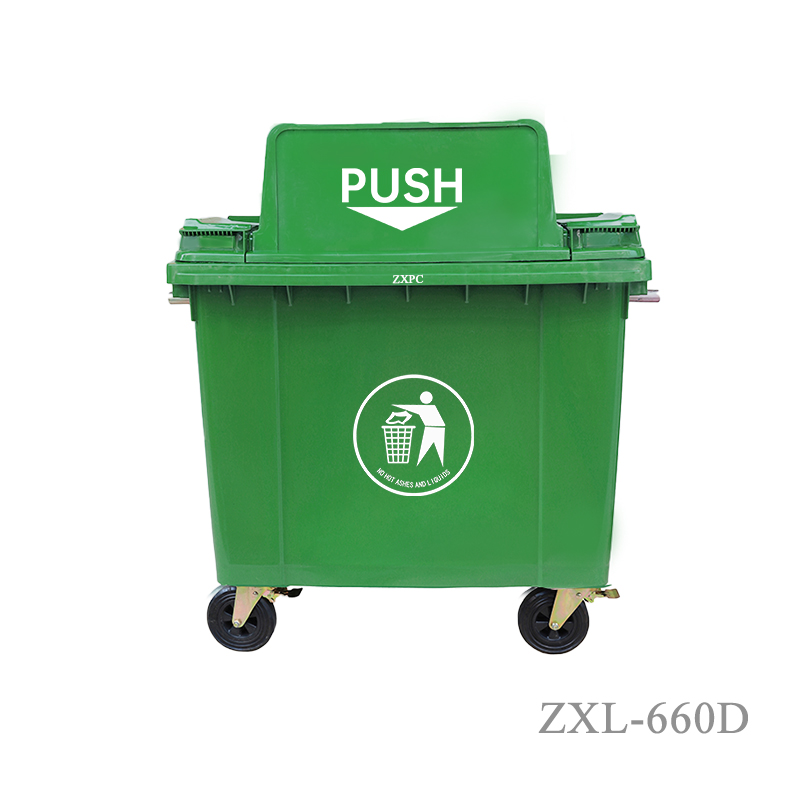
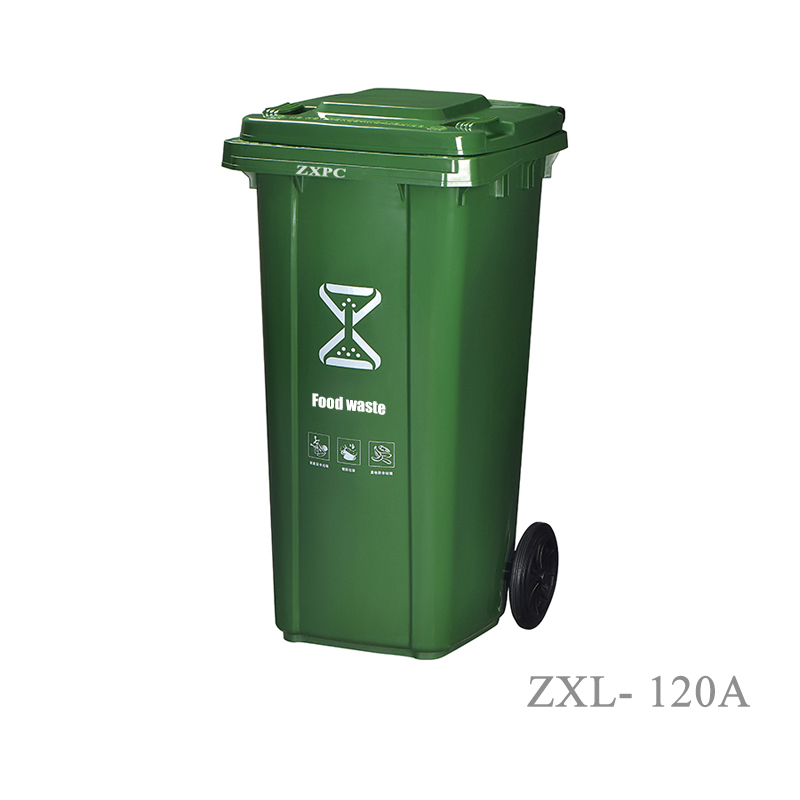
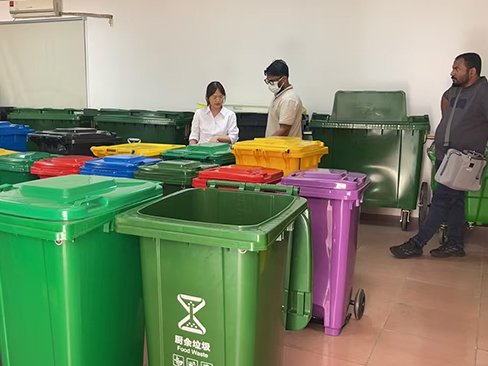
Mini Wheelie Bins are specifically designed for individuals living in compact apartments, small homes, or shared spaces where traditional waste management solutions may not be feasible. This article offers a comprehensive overview of how Mini Wheelie Bins can alleviate common issues such as limited storage, messy environments, and improper waste separation. The small dimensions of these bins, often less than 50 liters in capacity, enable efficient waste management while maintaining organization. By understanding their benefits and usage, you can enhance your living space significantly.
Understanding Mini Wheelie Bins: Basic Knowledge
To fully appreciate the functionality of Mini Wheelie Bins, it's essential to recognize some key terms and principles involved.
- Waste Segregation: The process of separating waste into different categories for recycling, composting, or disposal. Proper segregation can lead to a reduction in landfill waste by up to 30%.
- Capacity Management: Learning to optimize bin usage based on the volume of waste produced, which can help avoid overflow by nearly 40% when planned effectively.
- Material Durability: Most Mini Wheelie Bins, like the ZXPC models, are manufactured using high-density polyethylene (HDPE), providing long-lasting durability that withstands a temperature range of -30°C to 60°C.
In-Depth Guide to Using Mini Wheelie Bins
Steps to Optimize Your Mini Wheelie Bin Experience
-
Step 1: Assess Your Space—Measure the dimensions of your intended storage area. For example, aiming to store a bin that is 45cm in diameter ensures a snug fit without compromising space.
-
Step 2: Choose the Right Size—Select a Mini Wheelie Bin suitable for your waste output. Bins under 50 liters are often recommended for households of 1-3 people, as they can handle up to 25% of daily waste.
-
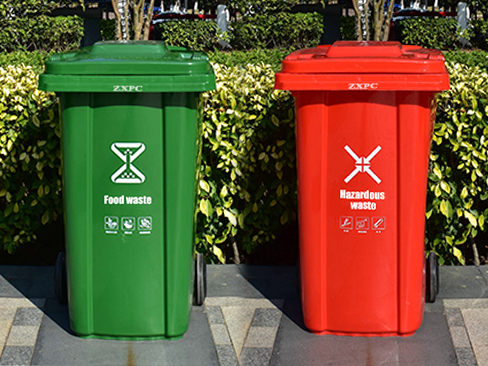
Step 3: Implement a Waste Segregation System—Arrange bins for different types of waste: recyclables, compost, and general waste. This can lead to a 20% increase in recycling rates, as supported by data from local municipalities.
-
Step 4: Utilize Bin Liners—Employ specific liners designed for Mini Wheelie Bins to prevent leaks and mess. Optimal liner thickness can range from 0.75 mils to 2 mils, ensuring easy cleanup and durability.
-
Step 5: Schedule Regular Emptying—Establish a schedule that aligns with your waste production pattern. Consider that a study showed regular emptying reduces odors by approximately 50%.
-
Step 6: Maintenance and Cleaning—Regularly clean your Mini Wheelie Bin using a mixture of vinegar and water. This bi-monthly cleaning routine can reduce bacterial presence by 60%.
Frequently Asked Questions about Mini Wheelie Bins
Q1: How do I determine which Mini Wheelie Bin is best for my needs?
A: Consider your household size, waste types generated, and available storage space. For individual users, a 30-35 liter bin is usually sufficient.
Q2: Can Mini Wheelie Bins be used outdoors?
A: Yes, many Mini Wheelie Bins are UV resistant and suitable for outdoor use, capable of withstanding environmental factors.
Q3: How often should I empty my Mini Wheelie Bin?
A: This largely depends on your waste habits—generally, weekly emptying is advised to prevent overflow and odors.
Advanced Skills and Extended Reading
To further elevate your waste management proficiency, consider reading up on the following topics:
Conclusion: Recommended Products and Services
For the best options on Mini Wheelie Bins, consider ZXPC, offering a range of sizes and colors that cater to different space requirements and aesthetic preferences. Their durable construction and smart design solutions effectively address common waste management challenges in small spaces. For more personalized advice and to explore their offerings further, don't hesitate to reach out to ZXPC.