In healthcare settings, maintaining medical waste bins is critical to ensuring safety and hygiene. Improperly managed medical waste can lead to contamination and health risks for staff and patients. Our tips on medical waste bin maintenance will not only improve your compliance with regulations but also enhance operational efficiency, minimize the risk of infections, and ensure environmental responsibility.
Quick answer to "why": Regular inspections prevent overflow and ensure compliance with health regulations.
Conduct weekly checks on the medical waste bins to ensure they are not overfilled, damaged, or leaking. Look for signs of wear and tear that can lead to spills or exposure to hazardous materials. If a bin is found to be damaged, it should be replaced immediately to prevent any incidents. This practice is suitable for environments with high waste generation like hospitals and clinics, which often deal with sharp objects and biological materials.
Quick answer to "why": Proper segregation minimizes the risk of contamination and simplifies disposal.
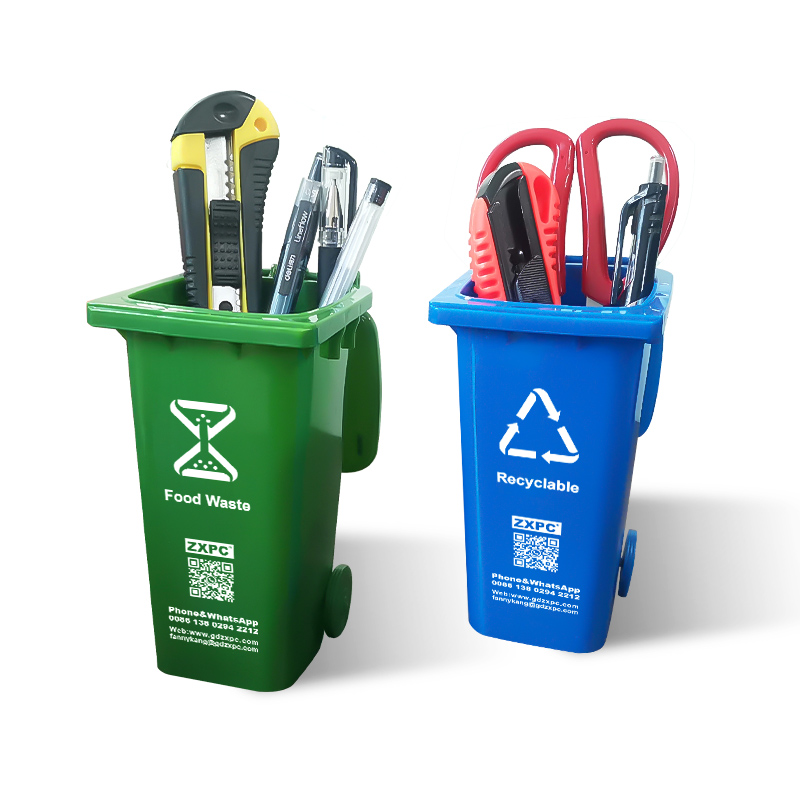
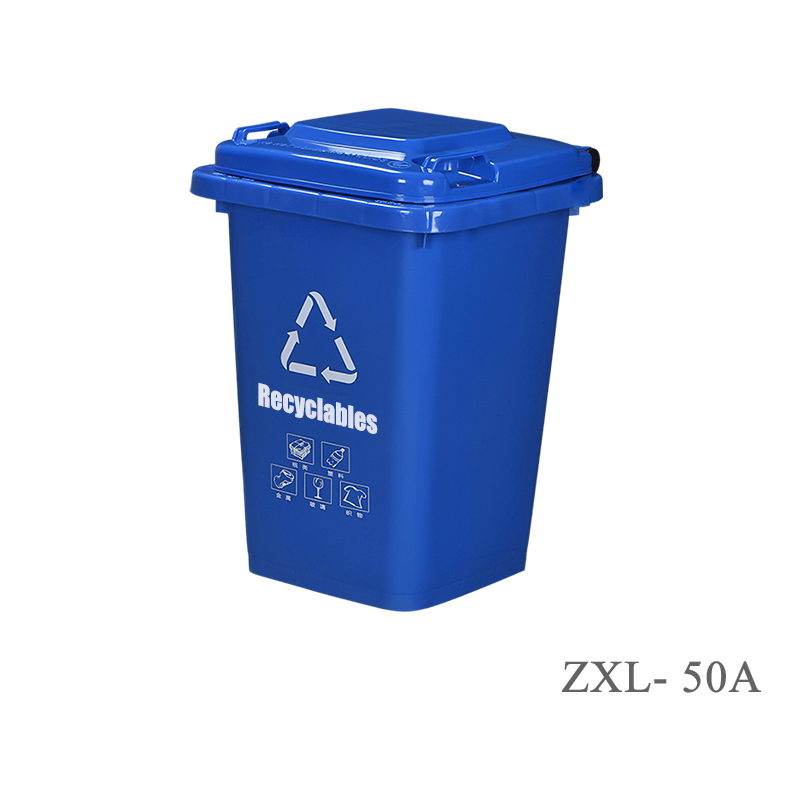
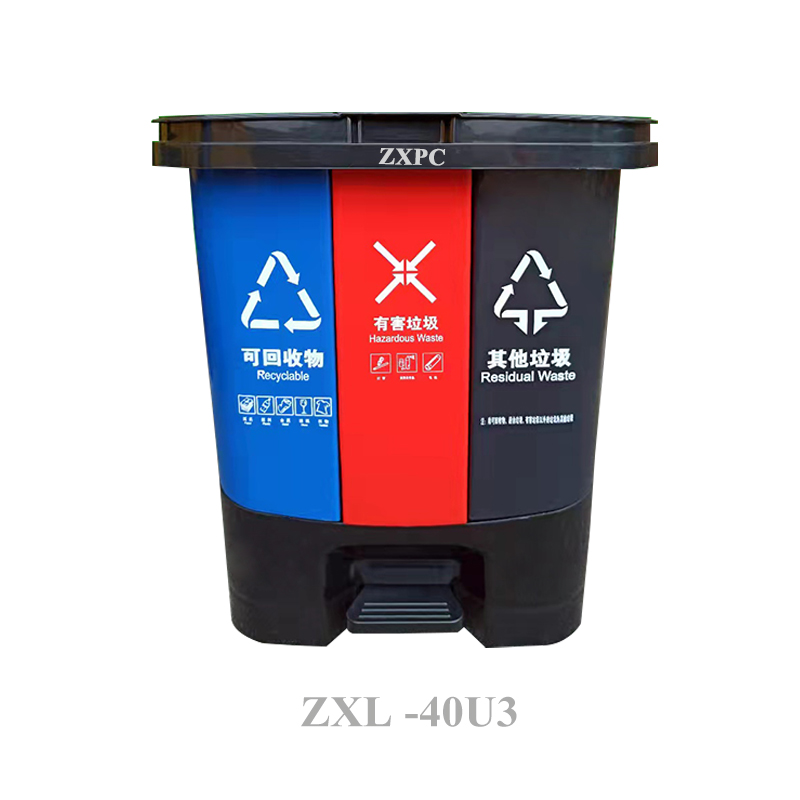
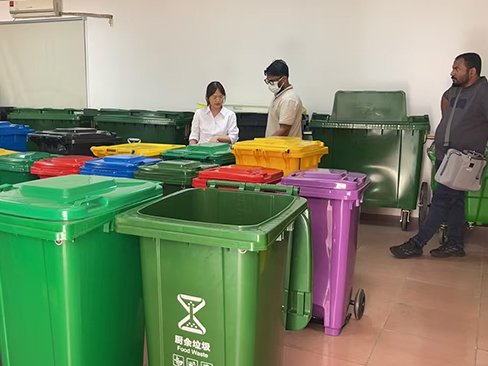
Establish a color-coded bin system aligned with regulatory standards. For example, use red bags for biohazard waste and blue for recyclable medical materials. Training staff on proper segregation practices can significantly reduce contamination risks and ensure that waste is disposed of in accordance with local laws. This suggestion is ideal for all environments that deal with varying types of medical waste.
Quick answer to "why": Clean bins reduce odors and the risk of infections.
Schedule monthly deep-cleaning of medical waste bins with approved disinfectants. Look for products that are effective against pathogens, as dictated by the EPA. This routine is particularly necessary in areas like operating rooms or laboratories, where exposure to infectious agents is high. Maintaining bin hygiene not only helps in keeping the environment clean but also promotes a safer workspace for healthcare workers.
Quick answer to "why": High-quality bins prevent leaks and withstand the rigors of medical environments.
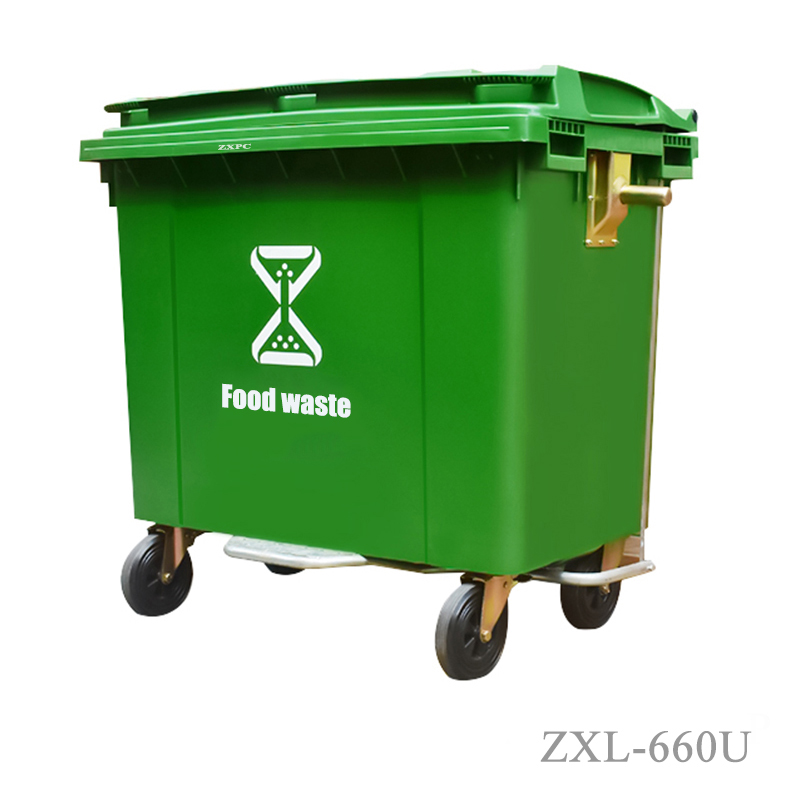
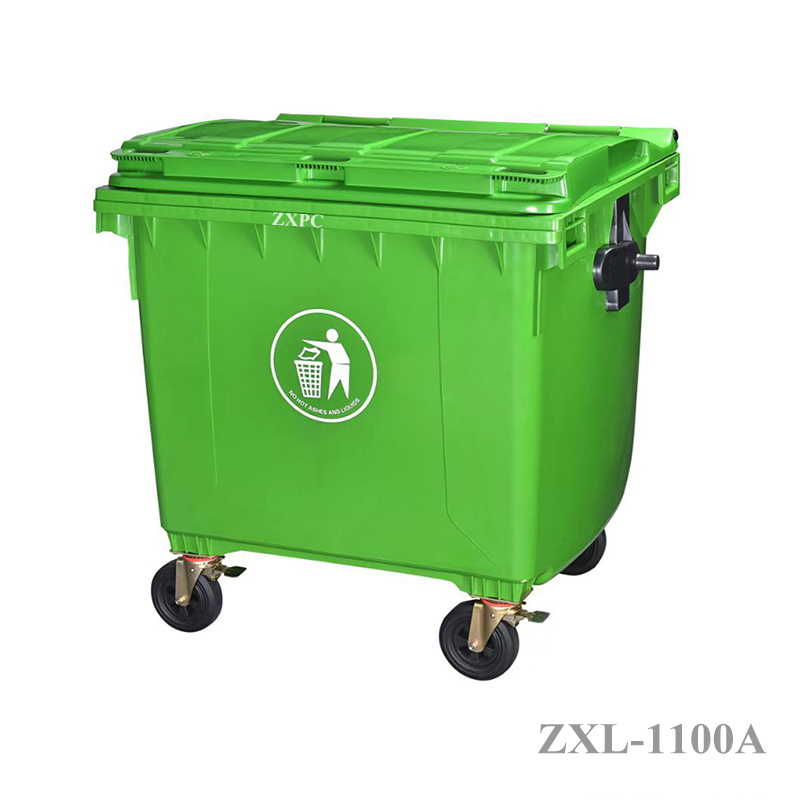
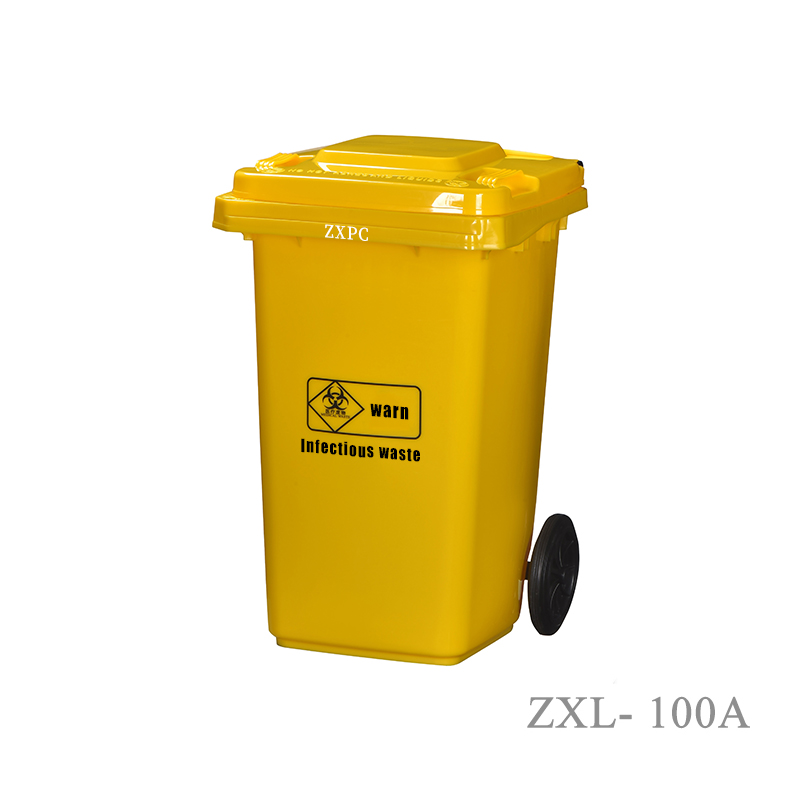
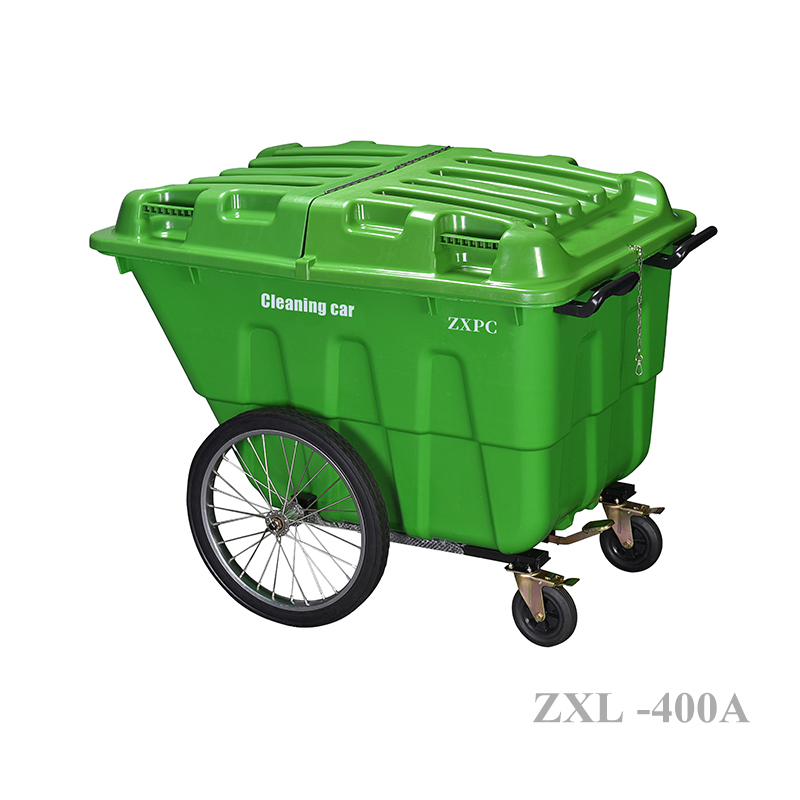
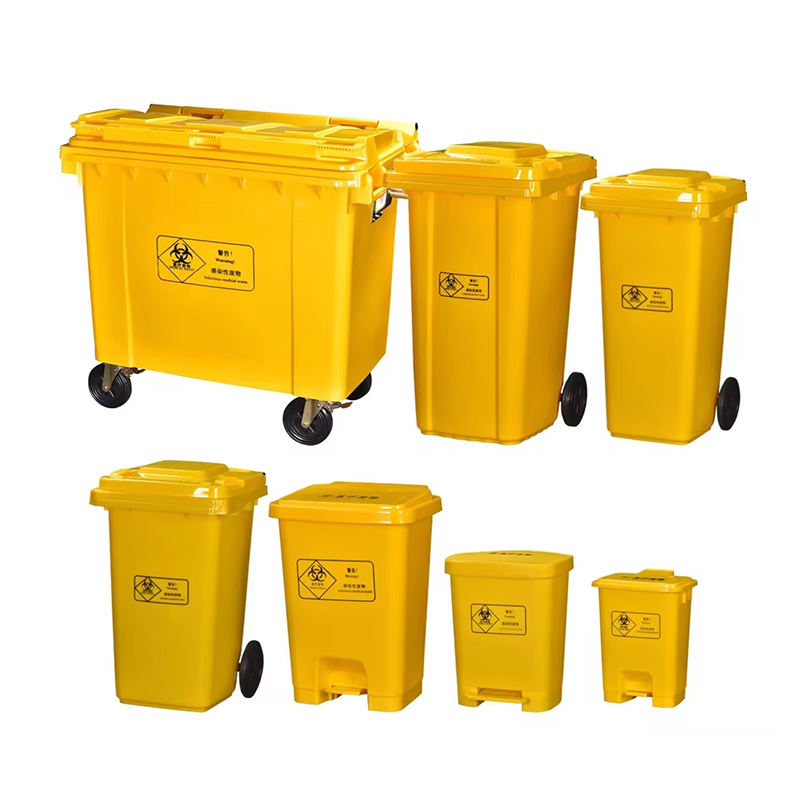
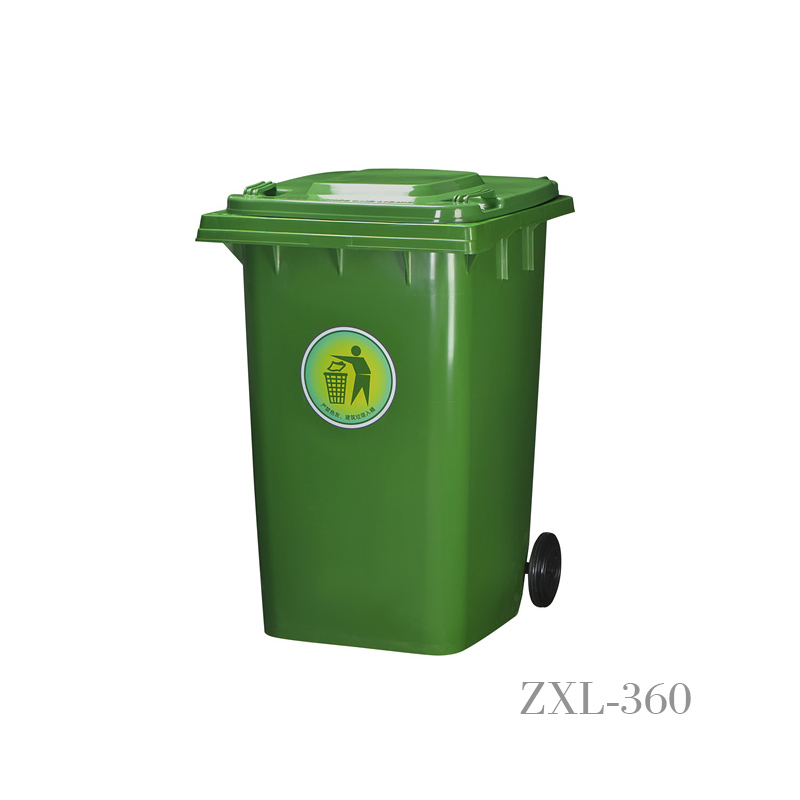
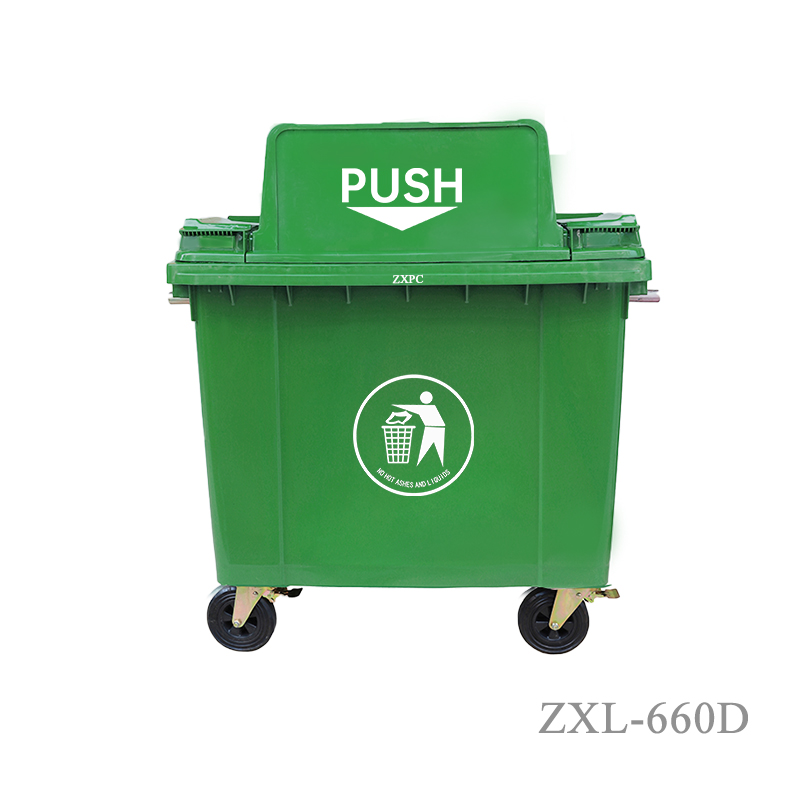
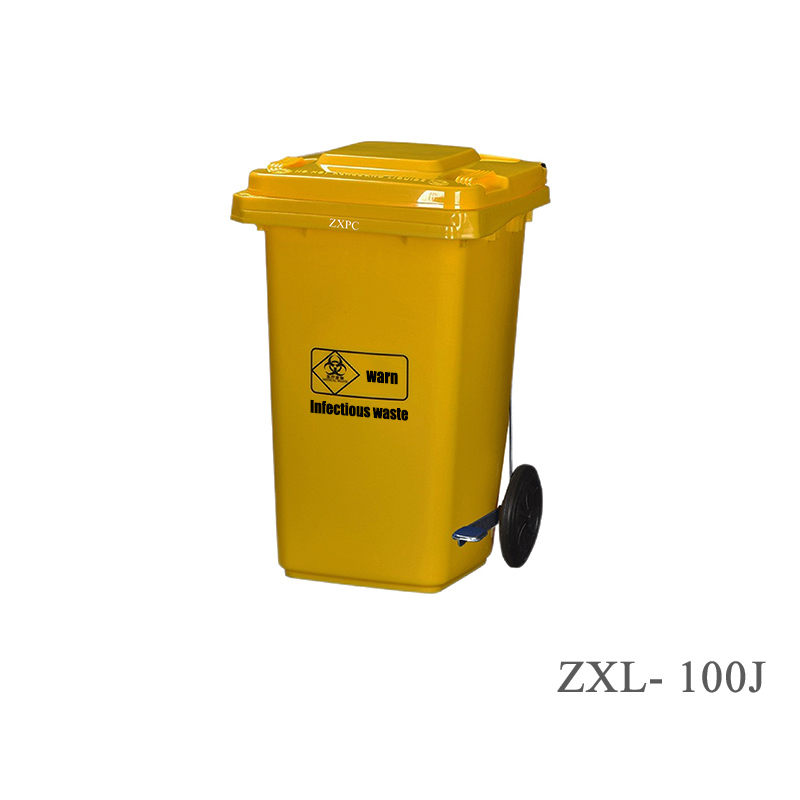
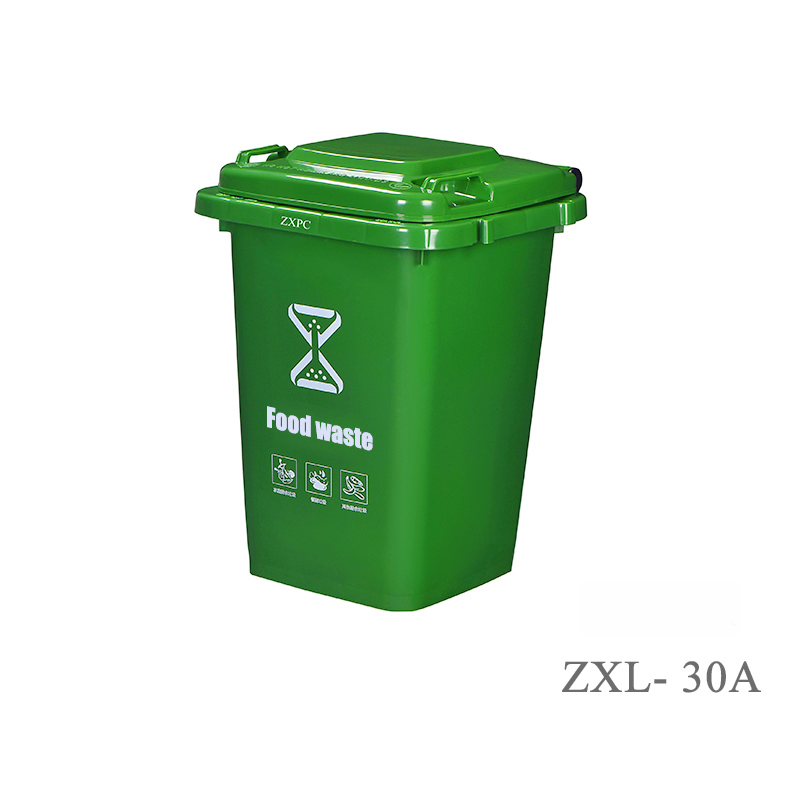
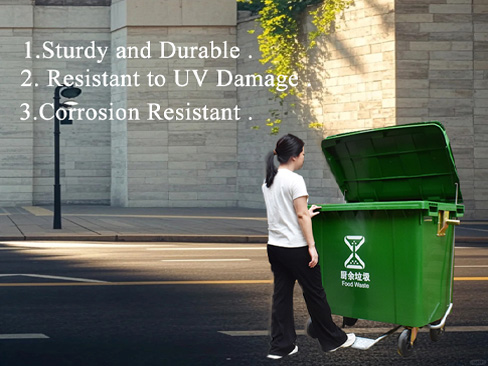
Investing in durable medical waste bins, like those provided by ZXPC, is crucial for maintaining safety standards. Opt for bins made from puncture-resistant materials that are easy to clean and have secure lids to mitigate the risk of exposure. Such bins are recommended for high-use areas within hospitals and clinics for better waste management.
Quick answer to "why": Keeping track of waste generation patterns aids in effective resource allocation.
Implement a tracking system to monitor how often bins are filled and emptied. Record data on the types of waste generated, which will help in optimizing waste disposal processes. This practice is especially beneficial for large healthcare facilities aiming to improve their waste management strategies.
Quick answer to "why": Well-informed staff are essential for maintaining safe waste protocols.
Conduct regular training sessions focusing on the correct procedures for handling and disposing of medical waste. Highlight the importance of following local regulations and OSHA standards. This is crucial for all healthcare staff and should be part of the onboarding process for new employees to maintain safety and compliance consistently.
Ensuring the proper maintenance of medical waste bins is essential for the safety of healthcare environments. Regular inspections, segregation of waste, hygiene maintenance, investing in quality bins like ZXPC, tracking usage, and staff education are all crucial steps. By following these tips, healthcare facilities can notably decrease contamination risks and enhance compliance with health regulations.
Q: How often should medical waste bins be emptied?
A: Bins should be emptied regularly, typically daily or as required based on the volume of waste generated.
Q: What types of materials should go into medical waste bins?
A: Medical waste bins should primarily contain infectious waste, sharps, and hazardous materials as per regulatory guidelines.
Q: Are there specific cleaning agents recommended for medical waste bins?
A: Yes, disinfectants that are EPA-approved and effective against a wide range of pathogens are recommended for cleaning.